
Scandinavia is one of those destinations that solo travelers often think about but sometimes hesitate over, usually because of cost. And yes, Norway, Sweden, and Denmark are expensive countries. A pint of beer in Oslo costs roughly the price of a casual dinner in Portugal. But Scandinavia offers something that justifies the price premium for the solo traveler: it is extraordinarily easy, extraordinarily safe, and the rail network that connects these countries is among the most scenic and comfortable in the world. You get on a train, you watch the landscape happen, and you get off somewhere beautiful.
A self-guided train journey through Scandinavia — starting in Copenhagen and threading up through Sweden to Norway, ending in Bergen or Ålesund — is an experience that builds a particular kind of confidence. You are navigating multiple countries, languages, currencies, and train systems alone, and it turns out to be remarkably easy because Scandinavia is, in every practical sense, built for the independent traveler. English is spoken everywhere, apps and online systems work flawlessly, the people are helpful and unbothered, and the landscapes — from the flat Danish fields to the Norwegian fjords — are extraordinary.
Planning Your Route: The Classic Scandinavian Rail Loop
The classic route for a solo rail journey through Scandinavia starts in Copenhagen, which makes sense as the region's most accessible hub for flights from North America, the UK, and the rest of Europe. Spend two nights in Copenhagen — enough to eat a smørrebrød at a canal-side café, visit the Louisiana Museum of Modern Art on the coast north of the city, and cycle through the city's legendary bike lanes. Then catch the train across the Øresund Bridge to Sweden.
From Malmö or Gothenburg, head north to Stockholm — one of Europe's most beautiful cities, built across fourteen islands where the Baltic meets Lake Mälaren. Two to three nights here. Then west by high-speed rail to Oslo, arriving in the Norwegian capital with its remarkable opera house, its archipelago of island beaches, and its world-class museums dedicated to everything from the Kon-Tiki to Edvard Munch. From Oslo, the journey enters its most spectacular phase: the Bergen Railway across the Hardangervidda plateau, considered one of the most beautiful train journeys in the world, descending into Bergen and the gateway to the fjords.
The Bergen Railway: Twenty-Four Hours of Spectacular
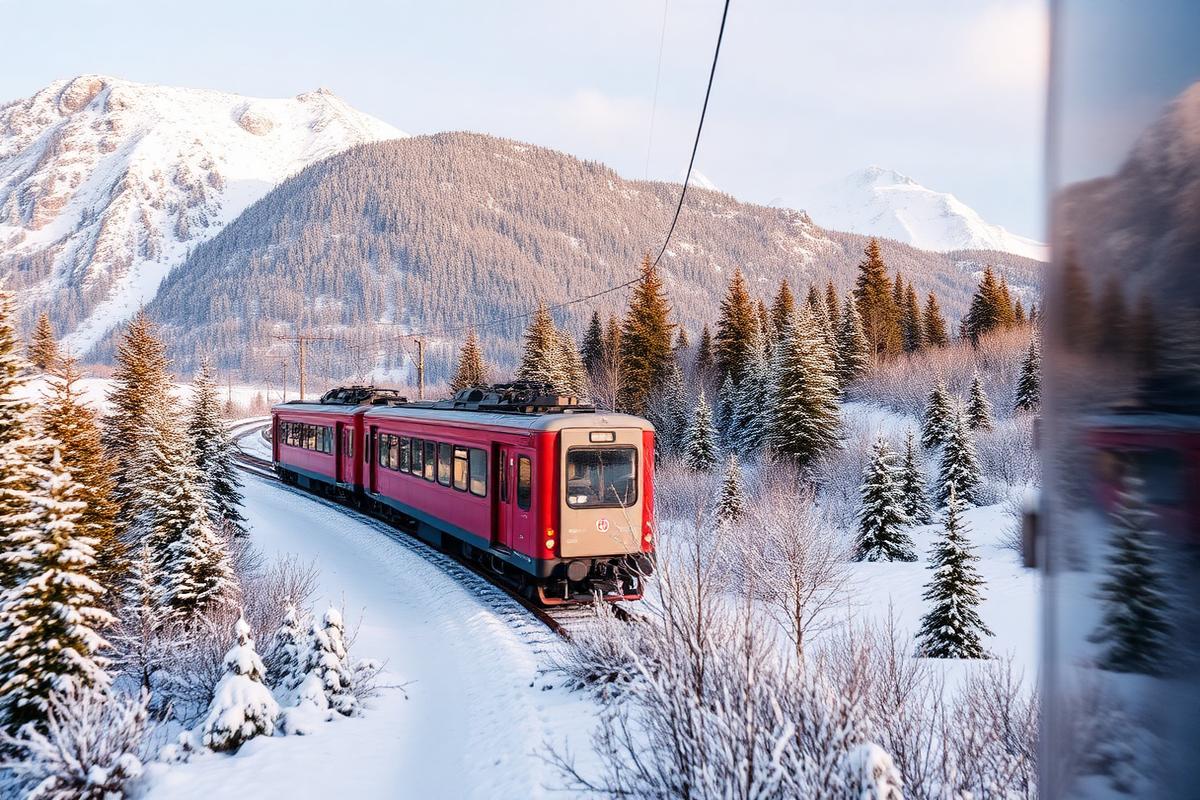
The Bergen Railway from Oslo to Bergen takes approximately seven hours and crosses the highest mountain plateau in Northern Europe. In winter, the plateau is a vast white silence interrupted only by the occasional red-painted hut and a sky so big it is almost alarming. In summer, the wildflowers cover the plateau in color, and the light lasts so long that you can still see it clearly at midnight. In autumn, the birch trees turn gold and the plateau rivers run high with snowmelt.
At Myrdal station, partway down the western slope, you can transfer to the Flåm Railway — a twenty-minute detour that is, honestly, one of the most dramatic train rides in the world. The Flåmsbana descends 863 metres in twenty kilometres, spiraling through tunnels, past waterfalls that spray the windows, through gorges so narrow that the walls seem to close in. It arrives at Flåm, a small village at the head of the Aurlandsfjord, where you can kayak, hike, or simply sit on a jetty and accept that the world is more beautiful than you remembered.
Solo-Friendly Accommodation Options
Scandinavia has excellent accommodation at every price point for solo travelers. In the cities, Scandic Hotels offer reliable, well-designed rooms with good breakfast included — not the cheapest, but frequently the best value at the mid-range level. Generator Hostels in Copenhagen and Stockholm are design-conscious, social, and run private rooms alongside dormitories, making them genuinely appealing to solo travelers of all ages rather than exclusively the backpacker demographic.
- The Scandinavian hostel network (STF in Sweden, HI Norway) has excellent cabins and private rooms in some of the most scenic locations in the fjords.
- Book Bergen accommodation well ahead — the city is small and popular and fills quickly in summer.
- Airbnb works well in Scandinavia and is often the best option for a "home base" feel in residential neighborhoods outside city centers.
- Norway has a legal right to camp anywhere in the wilderness for up to two nights (allemannsretten) — a remarkable freedom for solo hikers.
Managing Costs Without Missing Out
A solo Scandinavian trip requires a clear-eyed approach to money. The biggest costs are accommodation, food, and activities. Accommodation: hostels and budget hotels are the obvious lever, but cooking your own food — buying from the excellent supermarkets (Rema 1000 in Norway and Sweden, Netto in Denmark) rather than eating out for every meal — makes the most dramatic difference. Eating out twice a week and cooking otherwise can cut your daily food budget from 80 dollars to 25.
The Interrail Pass (for European residents) or Eurail Pass (for non-European visitors) is worth calculating carefully for a two-week Scandinavian rail trip. For a journey hitting Copenhagen, Stockholm, Oslo, and Bergen with side trips, the math often favors a pass. Point-to-point tickets booked in advance can also be very cheap — the SJ railway in Sweden regularly offers advance-purchase fares on the Oslo-Stockholm route at a fraction of the standard price. The key is booking early.
What to Do in Bergen: Fjord Gateway for Solo Explorers
Bergen is the perfect endpoint for a solo Scandinavian rail journey because it offers both city pleasure and immediate wilderness access. The Bryggen wharf — a UNESCO World Heritage row of colorful wooden buildings dating to the Hanseatic League — is the city's postcard face and is worth exploring slowly, including the galleries and craftspeople's studios that fill the internal courtyards. The funicular to Mount Fløyen takes seven minutes and deposits you above the city with a view of the harbor, the surrounding fjords, and on a clear day, islands far out in the North Sea.
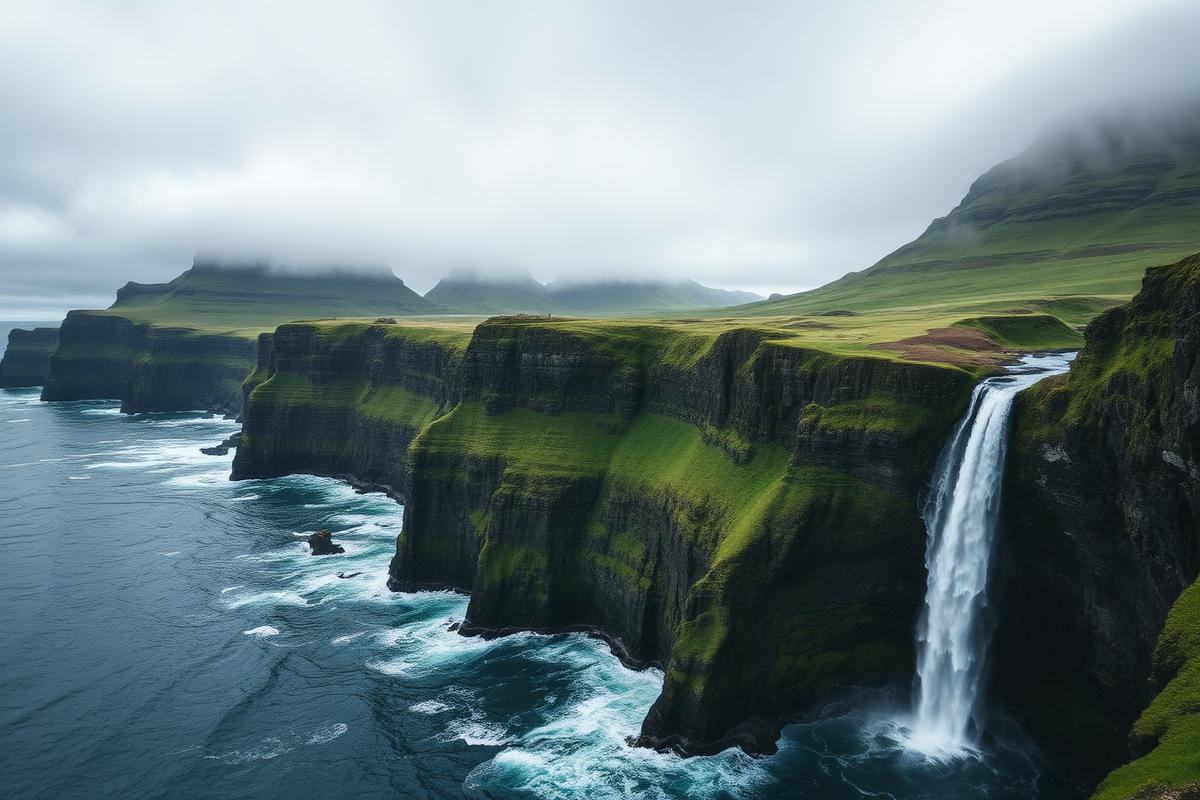
From Bergen, a day trip to the Nærøyfjord — the narrowest UNESCO-listed fjord in Europe — by ferry is one of the most spectacular things you can do anywhere in Europe, full stop. The walls of the fjord rise almost vertically for hundreds of metres on both sides, waterfalls streak white against the grey rock, and the silence is absolute except for the engine and the water. Going alone means you can simply stand at the railing for two hours without feeling that you need to entertain anyone or explain why you are crying.
The Social Life of Solo Rail Travel
Long-distance trains in Scandinavia have a social quality that solo travelers benefit from. The dining car on the Bergen Railway is a genuine meeting place — people sit together by design, and conversations about where you are going and where you have come from start naturally. Scandinavians have a reputation for reserve, but on trains and in hostels, especially with a solo traveler who shows genuine interest, they are warm and forthcoming, often with quietly remarkable recommendations.
- Sit in the dining car for at least one meal on any long train journey — it is reliably the best social hour of the trip.
- Carry a book or journal as a social prop; it invites rather than discourages conversation with the right people.
- The hostel common room at 7 p.m. — after everyone has cleaned up from the day but before dinner plans solidify — is the golden hour for meeting fellow solo travelers.
- Walking tours (look for pay-what-you-wish options in Copenhagen, Stockholm, and Oslo) are an excellent way to meet other travelers and get oriented.
The Midnight Sun and the Northern Lights
If you travel in summer (June and July), you will experience the midnight sun above the Arctic Circle — the extraordinary phenomenon of a sun that does not set, bathing the landscape in a warm, eternal golden hour. Bergen is too far south for the true midnight sun, but in northern Norway — Tromsø, the Lofoten Islands — it is fully real and deeply strange. If you add a few days north of Bergen to your route, the Lofoten Islands are widely considered among the most scenically dramatic places in Europe and are tailor-made for a solo walker with a rental bike.
Why Scandinavia Is Worth Every Krone
A solo rail journey through Scandinavia costs more than many destinations and delivers more than most. The combination of the world's most functional infrastructure, landscapes that stop your breath on a regular basis, a culture of quiet competence and genuine helpfulness, and a train network that makes the journey itself a destination — these things add up to an experience that is both deeply pleasurable and quietly transformative. You will be comfortable and challenged and beautiful-thing-saturated in equal measure, and you will come home knowing that you navigated it all on your own terms.