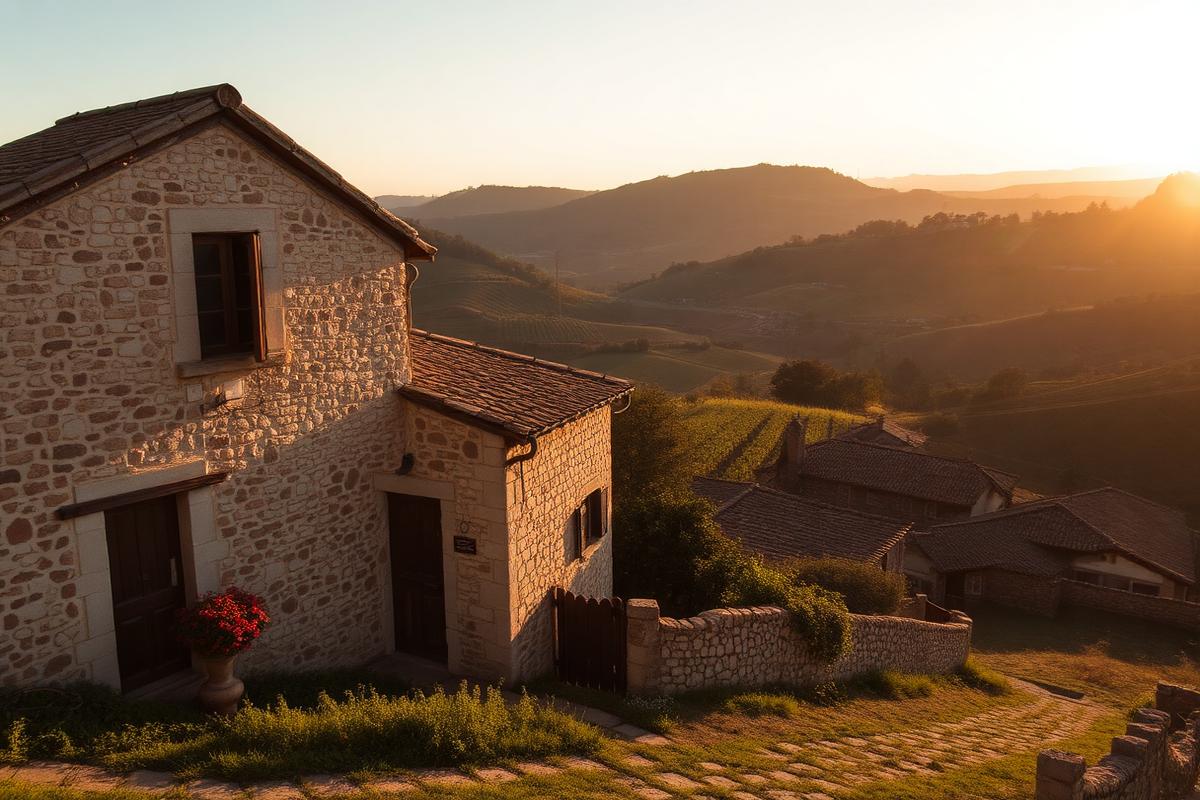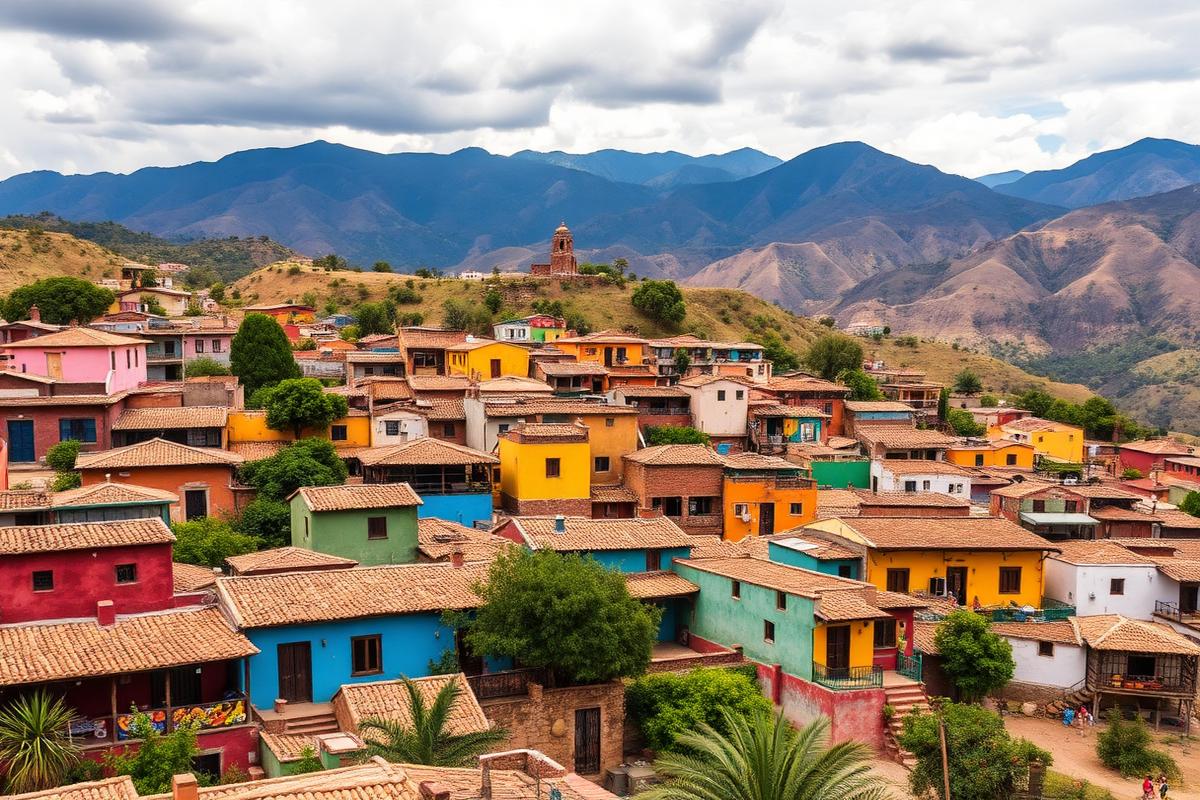

Most people who discover Oaxaca do so through the city itself — and with good reason. Oaxaca city is one of Mexico's great urban pleasures, a colonial gem of jade-green stone churches and mercados full of mole negro, chapulines, and mezcal poured by hands that have been doing this for decades. But Oaxaca state extends well beyond its capital into a vast, rugged highland region of Sierra Norte mountains, ancient Zapotec and Mixtec villages, and a biodiversity that makes it one of the most ecologically unique areas in North America. This is where the real depth lives, and most visitors never find it.
The highlands around Oaxaca city — the Central Valleys and the Sierra Norte — are home to hundreds of indigenous communities, each with its own weaving traditions, culinary identity, mezcal production methods, and festivals. Many of these villages have developed community-based tourism programs that allow visitors to stay in family-run cabins, participate in traditional cooking classes, hike cloud forest trails with local guides, and sleep to the sound of complete and total quiet. This is off-the-beaten-path travel with a genuine ethical foundation: the money goes directly to the community, and the experience is more authentic than anything a tour operator could package.
The Sierra Norte: Oaxaca's Mountain Heart
The Sierra Norte, roughly two hours from Oaxaca city by road, is a region of pine and cloud forest at altitudes of 2,000 to 3,000 metres. The air is cool and clean in a way that surprises travelers who arrive expecting tropical Mexico. The towns of Ixtlán de Juárez, Capulálpam de Méndez, and the broader network of villages known as the Pueblos Mancomunados ("shared villages") have developed an extraordinary system of community ecotourism that is widely cited as a model for sustainable tourism in indigenous areas.
The Pueblos Mancomunados — eight communities that share a trail network through their communal forests — offer multi-day hiking, mountain biking, and horseback riding through landscapes of extraordinary beauty: cloud forests thick with bromeliads and orchids, pine ridges with views to the Pacific coast on one side and the Gulf of Mexico on the other, river canyons where the water runs clear over limestone. Accommodation is in clean, simple community cabins. Meals are prepared communally and feature local ingredients prepared by village women's cooperatives.
The Central Valleys: Ancient Sites and Living Craft
The Central Valleys radiating from Oaxaca city are home to some of Mesoamerica's most important archaeological sites and some of its most vibrant living craft traditions. Monte Albán, the ancient Zapotec capital built on a flattened hilltop above the valley, is one of the most dramatic archaeological sites in the Americas — a four-thousand-year-old city with pyramids, observatories, and a ball court, overlooking three valleys and open sky. It gets significant tourist traffic but is large enough that you can find quiet corners, particularly in the early morning.
Beyond Monte Albán, the valley towns specialize in crafts that have been produced here for generations. Teotitlán del Valle is the center of Zapotec weaving — hand-loomed rugs and tapestries using natural dyes (cochineal for red, indigo for blue, wild marigold for yellow) and pre-Hispanic geometric patterns. San Bartolo Coyotepec produces the distinctive black clay pottery of Oaxaca, shaped and polished by hand using techniques unchanged since before the Spanish arrival. Arrazola and San Martín Tilcajete produce the brightly painted alebrije spirit animals that have become one of Oaxaca's most recognized art forms.
Mezcal: Following the Production Trail
Oaxaca produces around eighty percent of Mexico's mezcal, and the villages around the capital are dotted with palenques — small, family-run distilleries using methods that predate European contact. Unlike tequila, which is produced industrially from a single agave variety (blue agave), traditional Oaxacan mezcal can be made from dozens of different agave species, each with a distinct flavor profile, and is distilled in clay pots over wood fires. A visit to a palenque is a remarkable sensory education.
- The Ruta del Mezcal connects several villages south of Oaxaca city with palenques that welcome visitors; a local guide makes the experience significantly richer.
- Look for mezcal labeled "artesanal" or "ancestral" — these designations indicate traditional production methods rather than industrial processes.
- Santiago Matatlán, about 45 minutes from Oaxaca city, bills itself as "the mezcal capital of the world" and has the highest density of palenques.
- Sipping mezcal slowly (it is meant to be sipped, not shot) with a slice of orange and sal de gusano (worm salt) is the traditional consumption method and much more pleasant than the alternative.
The Food: Why Oaxaca Is Mexico's Culinary Capital
Oaxaca's claim to be the culinary capital of Mexico is contested only by Mexico City, and the argument is genuinely close. The Seven Moles of Oaxaca alone — negro, rojo, amarillo, verde, coloradito, chichilo, and manchamanteles — represent a culinary tradition of extraordinary complexity, each sauce the result of dozens of ingredients toasted, ground, and combined according to recipes passed within families for centuries. At the Mercado Benito Juárez in Oaxaca city, you can eat a full mole negro with chicken and handmade tortillas for under three dollars, served at a communal table by a woman who has been doing this since before you were born.
In the highland villages, food is simpler and arguably more directly connected to its source. Corn, beans, and squash — the traditional Mesoamerican trinity — appear in every meal in some form. The tlayuda, a large dried tortilla topped with refried beans, Oaxacan cheese, and vegetables, is the archetypal street food of the region. Chapulines (toasted grasshoppers seasoned with lime and chile) are ubiquitous and genuinely delicious — nutty, salty, with a crunch that is more pleasant than the concept suggests. Try them. You will order a second portion.
Staying in Village Eco-Tourism Accommodation
The community eco-tourism cabins in the Sierra Norte are among the most rewarding places to stay in all of Mexico. They are simple — beds, blankets, a wood stove, a clean bathroom — but they are situated in pine forests at altitude, and waking up to mountain air and birdsong is worth more than any luxury amenity. The cabins are managed by community cooperatives, bookable through the Expediciones Sierra Norte organization in Oaxaca city, and priced at around 40-70 USD per night including breakfast.
- Book Sierra Norte cabins through Expediciones Sierra Norte (expedicionessierranorte.org.mx) well in advance for weekends and holidays.
- Bring layers; nights in the Sierra Norte are cold even in summer, and the cabins are heated by wood stoves that need stoking.
- The villages practice "community tourism" — the guides, cooks, and hosts are all community members, not outside operators.
- Spanish is useful here; while some guides speak English, the deeper interaction with villagers happens in Spanish.
- Saturday is market day in most valley towns; plan to arrive in Oaxaca city on a Friday to catch the Saturday market.
Festivals: The Hidden Calendar of Oaxacan Culture
Oaxaca has more festivals per capita than almost any region in Mexico, and many of the most extraordinary happen in the villages rather than the city. Every village has its patron saint's day, celebrated with processions, fireworks, communal meals, and traditional dances that can last three days. The Guelaguetza — the grand regional festival of indigenous dances and costumes held in Oaxaca city in July — is the famous one, but the village versions are less choreographed and more genuinely alive.
Día de los Muertos in early November transforms Oaxacan cemeteries into extraordinary tableaux of marigold altars, candlelight, and family reunions with the dead. The small-village observances in the Central Valleys are far more intimate and moving than the city-center events that have attracted international attention in recent years. If your trip aligns with late October or early November, prioritize being in a village cemetery on the night of November 1st. It is one of those travel experiences that genuinely changes how you think about life.
Getting Around the Highlands
Colectivos — shared minivans — connect Oaxaca city to most of the Central Valley towns and depart from the second-class bus terminal on a rolling schedule throughout the day. They are cheap, efficient, and an experience in themselves. For the Sierra Norte, you can catch a colectivo from Oaxaca city to Ixtlán de Juárez and transfer from there. Renting a car in Oaxaca city gives you significantly more flexibility, particularly for the Central Valleys, and the roads in the highlands are generally in good condition. A standard car handles everything except the most remote trails.
The Village That Changes Your Perspective
There is a particular moment that happens in Oaxaca's highlands that is hard to prepare for. You are sitting outside a village cabin at altitude, a cup of locally grown coffee in your hands, looking out over pine trees into a valley floor far below where corn is growing in the same way it has grown for three thousand years. A dog appears from somewhere and sits companionably nearby. Someone is grinding corn for tortillas inside. The sound of an axe carries from the next hillside. And you realize, quietly but with some force, that this is what you came for — not a landmark, not an experience that fits in a caption, but this: being briefly and genuinely somewhere real.