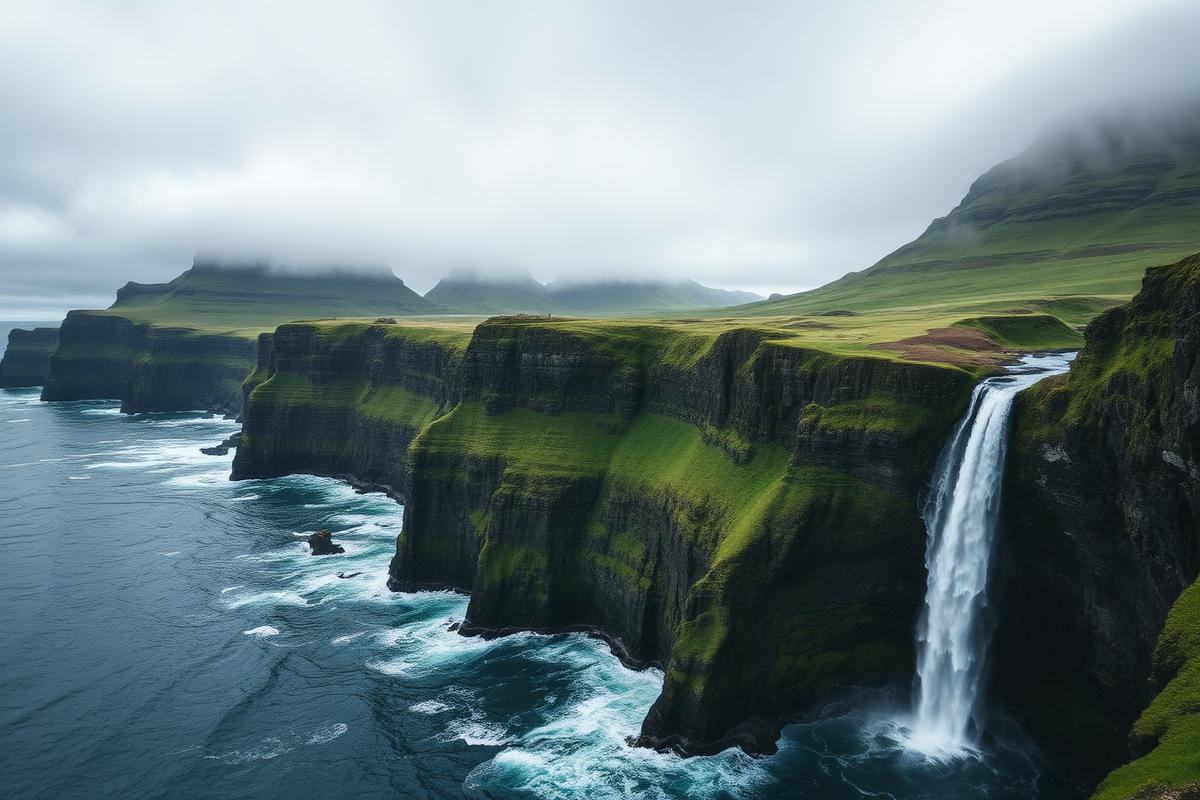

The Faroe Islands exist at the edge of everything. Eighteen islands of volcanic basalt thrust up from the North Atlantic between Norway and Iceland, catching every Atlantic weather system that rolls in from the west. The landscape is almost surreally dramatic: mountains that rise two or three times their actual height because the scale reference points are all wrong; sea cliffs that drop hundreds of metres straight into the ocean; waterfalls that leap off clifftops and are blown horizontal by the wind before they reach the sea. It is one of the most visually extraordinary places on earth, and the majority of the planet has still not heard of it.
The Faroe Islands are a self-governing archipelago within the Kingdom of Denmark — not an EU member, not quite fully independent, and not quite like anywhere else. The population of the entire island group is around fifty thousand people, and the capital Tórshavn is a city of twenty thousand where you can walk from one end to the other in twenty minutes and everyone seems to know everyone else. Coming here feels like arriving somewhere that is not performing for you. The Faroes are just the Faroes, and they are extraordinary.
Getting There: The Logistics of the Edge
Atlantic Airways flies to Vágar Airport from Copenhagen, Reykjavík, Edinburgh, London Stansted, and a handful of other European airports. The flight from London takes about two and a half hours. From Copenhagen, it is just under two hours. The arrival itself is an experience — Vágar Airport is built on a narrow plateau between mountains and a fjord, and the landing approach, particularly in cloud or crosswind, is among the more dramatically cinematic of any commercial airport in the world. Faroese people take this entirely for granted.
Getting around the islands is straightforward. Most of the islands are now connected by tunnels — including a remarkable subsea tunnel between Eysturoy and Streymoy that passes through a roundabout under the sea — which means you can drive between most of the main islands without a ferry. A rental car is by far the best way to explore; distances are short but the roads wind dramatically through mountains and along cliff edges, and having the flexibility to stop wherever the landscape demands it (which is constantly) is essential.
Tórshavn: The World's Smallest Capital with the Biggest Character
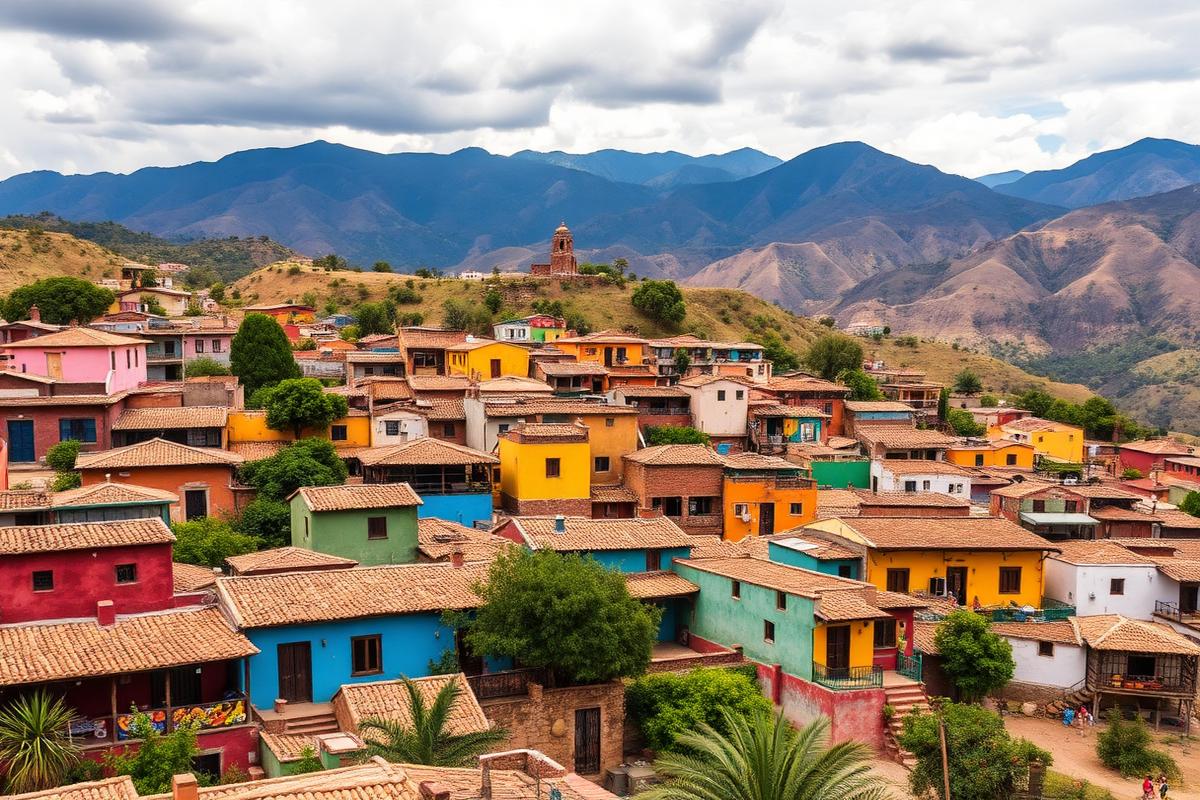
Tórshavn is a capital city unlike any other. The old town, Tinganes, sits on a small peninsula covered in red-painted wooden houses with grass roofs — turf roofs have been standard in the Faroes for centuries, providing insulation in a climate that is more Atlantic maritime than anything else. Walking through Tinganes on a clear evening, with the harbour on one side and the coloured houses ascending the hill on the other, is a quietly magical experience.
The restaurant scene in Tórshavn has developed significantly in the last decade, with a handful of genuinely excellent restaurants focused on local ingredients: air-dried lamb (skerpikjøt), fresh fish from the surrounding waters, foraged herbs from the hillsides, fermented and preserved products that reflect the island's historically austere relationship with winter food supply. Koks, the two-Michelin-star restaurant that was for years located on the island of Leynavatn, has moved and re-established itself — check their current location when booking, as it continues to evolve.
The Hiking: Trails That End at the Horizon
The Faroe Islands have a network of walking trails, many of which follow ancient routes between villages that were connected only on foot for centuries. The trails are marked — typically by orange poles — but the terrain is genuinely challenging: steep, often wet, frequently boggy, and always exposed to wind. This is not a place for casual trainers. Proper waterproof hiking boots are non-negotiable, and layering for sudden weather changes is essential even in summer.
- The hike from Gásadalur village to the Múlafossur waterfall (which falls directly into the sea) is short but spectacular — about forty-five minutes each way.
- The Sørvágsvatn lake hike reveals an optical illusion: the lake appears to hang above the ocean far below due to a cliff perspective trick.
- Slættaratindur, the highest point in the Faroes at 882m, is a three-hour round trip from the road and rewards with 360-degree island views on clear days.
- Always tell someone your hiking plans; weather can change within minutes and trails become hazardous in low visibility.
- The Visit Faroe Islands website has detailed trail descriptions and current conditions — check it before every major hike.
The Weather: Learning to Love the Atlantic
Faroese weather is the island's most discussed characteristic and its most misunderstood. The weather is not bad — it is dynamic. It is entirely possible to have four seasons in a single day, moving from rain and low cloud to brilliant sunshine to a horizontal squall and back to sunshine within three hours. The Faroese approach to this is philosophical: you go out anyway. You wear your waterproofs and you go. The islands look extraordinary in all conditions — the low cloud that wraps around the mountains gives everything an epic, cinematic quality that you simply do not get in guaranteed sunshine.
That said, May through August offers the best odds of clear days, the longest light (up to twenty hours in June), and the most accessible trail conditions. September is increasingly popular as the tourist season winds down and the autumn light — lower, warmer, more golden — does remarkable things to the green hillsides and the basalt cliffs. Winter is for the genuinely adventurous: dark, stormy, staggeringly beautiful, and almost entirely tourist-free.
The Villages: Grass Roofs and Quietude
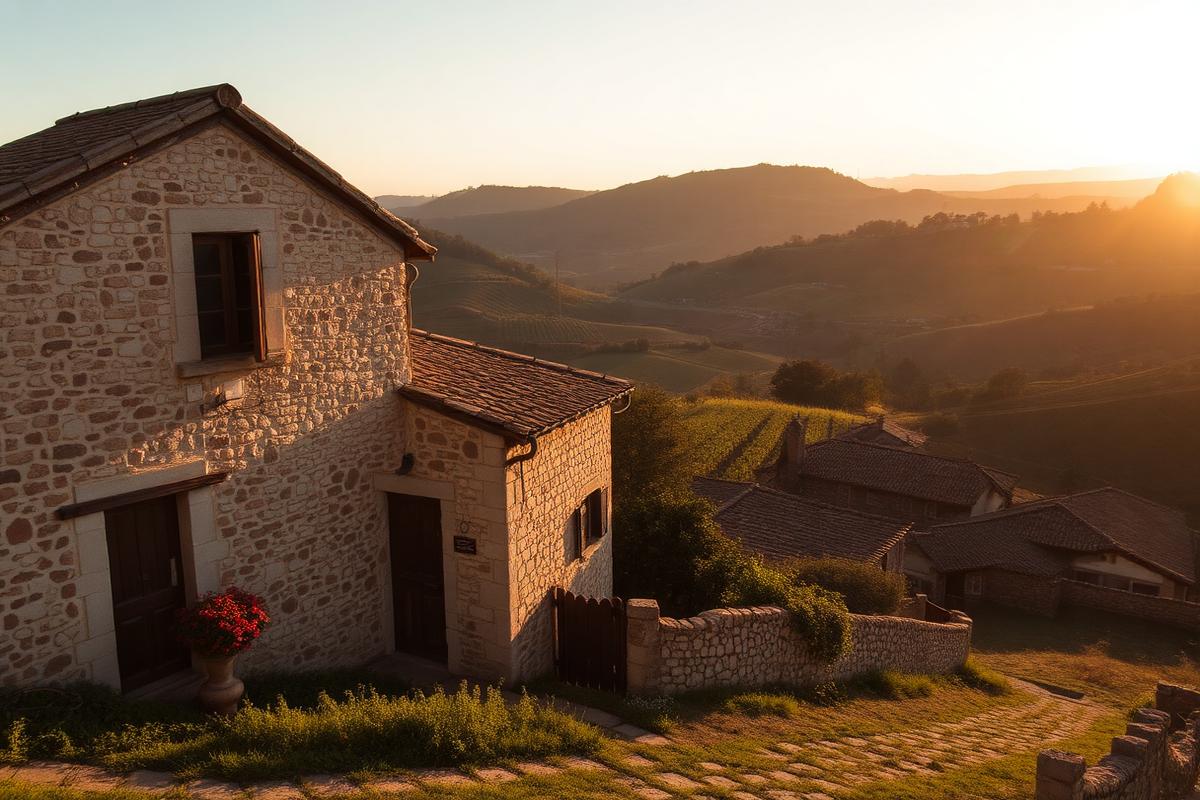
Some of the most memorable experiences in the Faroes are simply the villages. Kirkjubøur, at the southwest tip of Streymoy, is the oldest village in the islands and home to a farmhouse that has been continuously inhabited by the same family for over five hundred years. The Patursson family still lives there and offers tours of the farmhouse — one of the oldest inhabited wooden structures in the world — with a warmth and pride that is deeply moving.
Gjógv, on the north coast of Eysturoy, is perhaps the most photographed village in the Faroes: a tiny cluster of houses above a natural harbour gorge, backed by mountains that drop straight into the sea. There is a guesthouse here, Gjaargardur, which is one of the most superbly located places to sleep in the North Atlantic. To sit on its terrace in the evening light, looking out over the gorge to the open ocean, is to experience the particular contentment that comes from having found exactly the right place.
Food and the Faroese Table
Faroese cuisine is built on what the islands provide: fish (fresh, dried, fermented), lamb (raised on the steep hillsides, their meat intensely flavored by the wild herbs), and foraged ingredients from the hillsides and shoreline. The traditional food preservation methods — air-drying, fermentation, salting — developed from necessity in a climate where fresh food was only available seasonally, and have become the culinary identity of the islands.
- Try skerpikjøt (wind-dried mutton) at least once; it is pungent and acquired but deeply characteristic of Faroese food culture.
- Fresh cod, haddock, and salmon are available everywhere and are excellent; the fish is caught that day as a matter of standard practice.
- The village supermarkets are well-stocked for self-catering; prices are reasonable by Nordic standards.
- Reserve dinner at any restaurant in Tórshavn in advance — the city is small and the good tables fill quickly.
What the Faroes Do to You
People who visit the Faroe Islands tend to become evangelists. Not in an annoying way, but in the way of someone who has seen something genuinely remarkable and cannot quite contain it. The islands have a quality that is hard to name — a combination of wild natural beauty, profound quiet, genuine remoteness, and the warmth of a small community that has made something extraordinary from the resources of a very demanding place. You leave the Faroes with a recalibrated sense of what impressive looks like, and with a strong suspicion that you will be back.