
Portugal has been the travel world's open secret for a decade now, with Lisbon and Porto collecting most of the attention. But head north and east of Porto, and the country opens up into something quieter and arguably more beautiful: the Douro Valley, the Minho region, the Trás-os-Montes plateau, and the Aldeias do Xisto — a network of ancient schist-stone villages clinging to forested hillsides. This is Northern Portugal as it has existed for centuries, largely unchanged, and it is an extraordinary place to practice the art of going slowly.
Slow travel here means something specific. It means renting a quinta — a wine estate with rooms — for a week and waking up to terraced vineyards dropping down to a river that glitters silver in the morning light. It means drinking the local vinho verde on the terrace of a village café whose other customers are farmers coming in from the fields. It means walking trails that have been walked for a thousand years, through forests of oak and eucalyptus, past chapels so old they seem to have grown out of the rock. Northern Portugal rewards patience and rewards it generously.
The Douro Valley: Slow Travel's Heartland
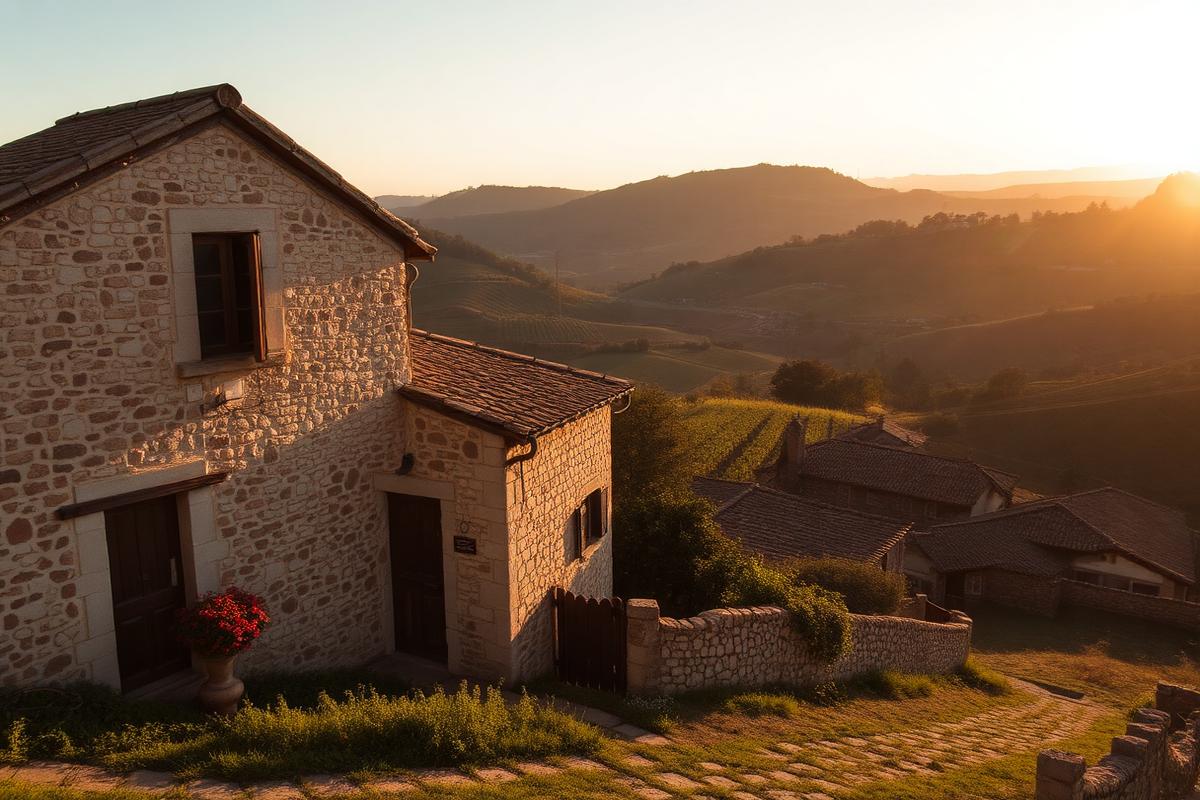
The Douro Valley is one of the oldest demarcated wine regions in the world, and it is so dramatically beautiful that UNESCO declared it a World Heritage Site. The valley is carved by the Douro River, and every hillside is terraced with vines that produce port wine and some of Portugal's best table wines. In spring, almond trees blossom white and pink along the lower slopes. In summer, the vines are green and full. In September, the harvest brings a particular energy — you might see workers still picking grapes by hand in the old tradition.
The best way to experience the Douro Valley slowly is to stay at a quinta, particularly in the upper Douro around Pinhão or Figueira de Castelo Rodrigo. Many quintas have been in the same family for generations and offer rooms or cottages along with wine tastings, farm meals, and introductions to the rhythms of the agricultural year. You are not just visiting; you are briefly inhabiting a working landscape.
The Schist Villages: Where Time Has Slowed to Almost Nothing
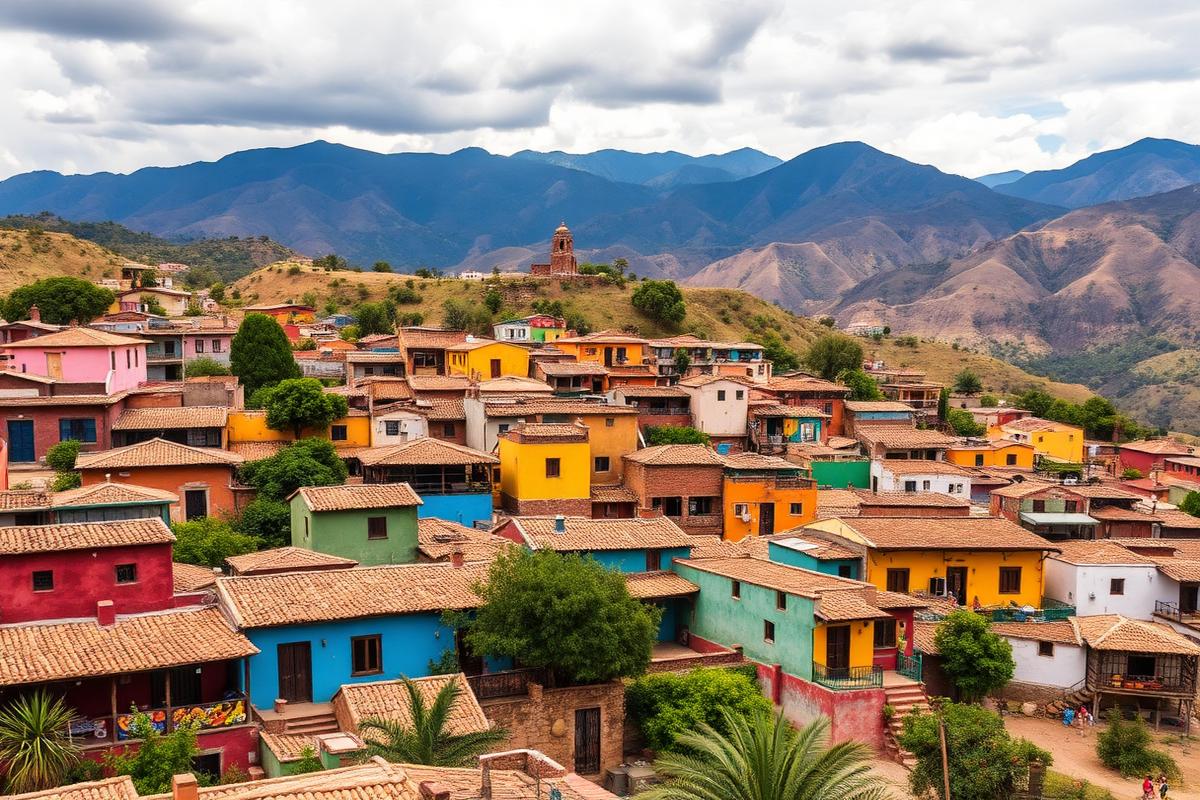
The Aldeias do Xisto are a revelation for anyone who thought Portugal was fully discovered. These are hamlets of thirty to two hundred inhabitants built entirely from the dark, flat schist stone of the surrounding mountains, hidden in valleys so steep and forested that sunlight only reaches them for a few hours each day. Villages like Piódão, Figueira, and Água Formosa look like something from a fairy tale — stacked stone houses with blue-framed windows, steep cobbled lanes, the smell of wood smoke and pine.
Many of these villages have been sensitively restored over the past twenty years through a government-supported tourism initiative, creating comfortable guesthouses and rural tourism properties without destroying the character of the place. You can stay in a schist house that has been renovated to include modern plumbing and a good bed while still waking up to stone walls and the sound of a waterfall below. It is an elegant solution to the perennial tension between preservation and livability.
Walking the Ancient Trails
Northern Portugal is laced with walking trails, from the famous Camino routes that cross the Minho region to the shorter, circular village walks that thread through the Douro terraces and the Central Massif forests. The GR22, which connects many of the schist villages, is a multi-day trail that can be walked in sections — you do not need to complete it in one go. Carry a section one day, take a rest day, walk another section. This is slow hiking at its best.
- Download the Wikiloc app for offline trail maps; signage on some rural trails can be inconsistent.
- The village of Piódão makes an excellent multi-night base for exploring the Central Massif trails.
- Early morning is the best time to walk in summer — temperatures can reach 35°C by midday.
- Many trail sections pass through working vineyards; stay on marked paths and do not pick grapes without permission.
- A Nordic walking pole is genuinely useful on the steep schist village descents.
Drinking Wine Slowly and Well
Northern Portugal produces wines that are still largely under the radar internationally, which means you can drink very well here for very little money. Vinho verde — the light, slightly effervescent white wine of the Minho — is the obvious starting point, but look also for the bolder reds of the Douro, the orange wines emerging from natural wine producers in the Dão region, and the remarkable ports of the upper valley. At a quinta, tasting is typically unhurried, guided by someone who actually grew the grapes, and costs a fraction of equivalent experiences in Bordeaux or Tuscany.
The village cafés and tasquinhas — tiny local restaurants — are where the real wine education happens. Order the house wine and it will almost certainly be something local, poured generously, and priced at two euros a glass. Pair it with a plate of presunto (cured ham) and some local cheese and you have a lunch that would cost four times as much and be half as authentic anywhere else in Europe.
Getting Around: The Gentle Art of Driving Country Roads
A rental car is almost essential for exploring rural Northern Portugal deeply. The train reaches Pinhão in the Douro Valley via a scenic riverside route from Porto that is worth doing at least once, but the schist villages and many of the best quintas are only reachable by car. The roads are narrow, winding, and frequently spectacular — a GPS is non-negotiable, and you will want to allow extra time for every journey because you will stop constantly.
The driving culture in rural Portugal is relaxed. Locals will pull over to chat. Tractors move slowly and apologetically. Nobody honks. This unhurried road culture is itself a kind of slow travel, and it is infectious. After two days, you will stop gripping the wheel with big-city urgency and start actually looking at what is around you.
What to Eat Beyond the Wine
Northern Portuguese food is hearty, honest, and deeply satisfying. Caldo verde — the famous kale and potato soup with a ring of smoked sausage — is ubiquitous and wonderful. Bacalhau, salt cod, appears in what locals will tell you are 365 different preparations, one for every day of the year; in the rural north, it is often grilled simply over charcoal and served with boiled potatoes and olive oil. Roast suckling pig (leitão) is the celebratory dish of the Bairrada subregion, and if you pass through on a Sunday when families are gathering, following your nose to the source is entirely acceptable.
- Look for restaurants with the word "regional" or "típica" in their description — this usually signals genuine local cooking.
- The pastéis de nata situation in the north is different from Lisbon; ask locally for the best version, often called pastéis de Tentúgal in the Centre-North.
- Breakfast at a village café — a galão (milky coffee) with a torrada (thick toast) — costs under two euros and is one of life's small perfections.
- Sunday lunch is an institution; book ahead at any rural restaurant for Sunday afternoon.
The Best Season to Visit
Spring (April to June) and autumn (September to November) are the golden windows for slow travel in Northern Portugal. Spring brings wildflowers, almond blossoms in the Douro, and the particular fresh green of new vine leaves catching morning light. Autumn brings the harvest, the turning of the hillsides, the onset of the atmospheric misty mornings that settle in the valleys and make everything look like a watercolor painting. Summer is perfectly manageable if you walk in the morning and rest in the afternoon. Winter in the schist villages has a stark, moody beauty but some facilities close from November through February.
A Week That Barely Scratches the Surface
Seven nights in Northern Portugal, split between a Douro quinta and a schist village guesthouse, will give you a genuine taste of this region — but it will also leave you aware of how much you did not see. That awareness is not frustrating; it is the mark of a destination that has real depth. You will leave with a mental list of places to return to, wine estates to revisit, trails you spotted from a distance but did not have time to walk. Northern Portugal is not a destination you finish. It is one you keep coming back to, each time going a little slower.