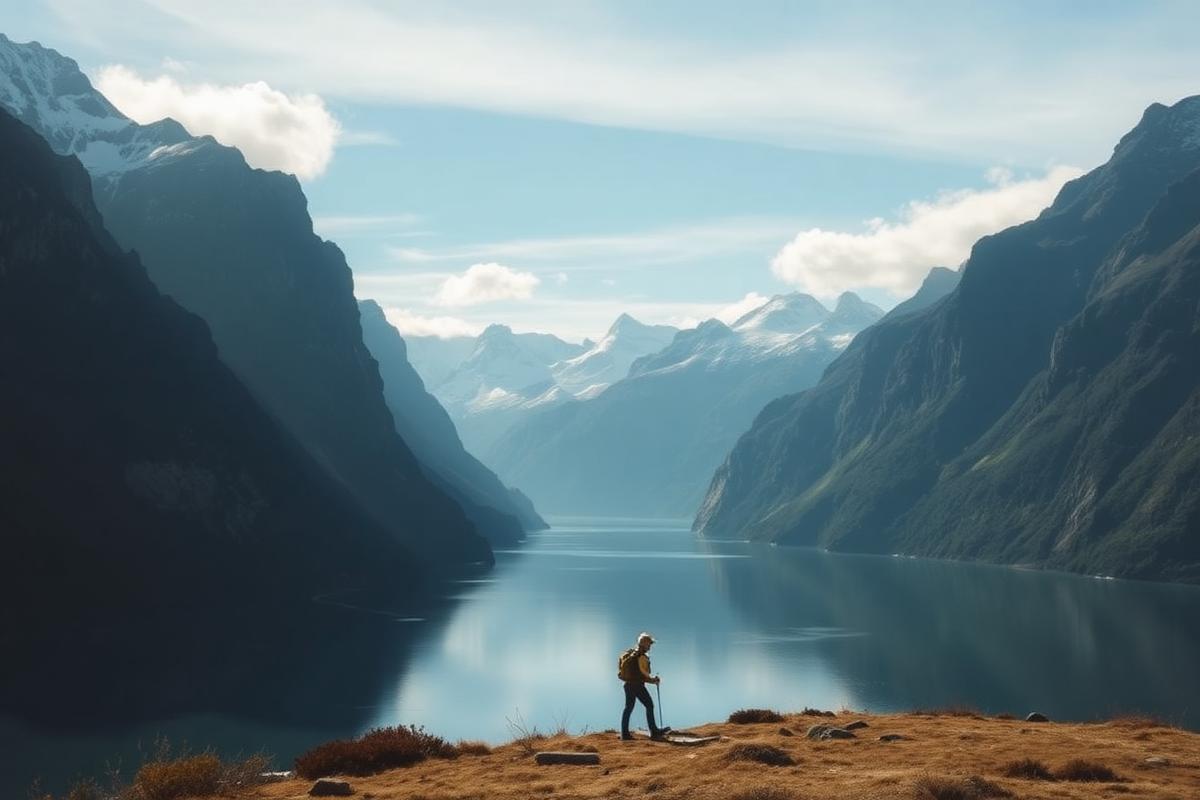

There is something about arriving alone in Queenstown on a clear autumn morning, the Remarkables serrating the sky behind the lake, that produces an almost electric sense of possibility. Nobody is waiting for you. Nobody has preferences about what comes next. The whole extraordinary island is ahead, and every single decision is yours to make. New Zealand's South Island is consistently ranked among the world's best solo travel destinations, and spending any time there makes it immediately obvious why.
The South Island works brilliantly for solo travelers for several interconnected reasons. The infrastructure for independent travel is excellent — campervans, freedom camping, a network of Department of Conservation huts and tracks, hostels that double as genuine social hubs. The natural environment is so staggering that it provides constant companionship even when you are by yourself. And New Zealanders, the Kiwis, are among the most instinctively welcoming people on earth, capable of making a solo traveler feel looked after without making them feel managed.
The Campervan Option: Your Moving Home Base
For solo travel on the South Island, a campervan is close to the ideal vehicle — in every sense of that word. You have your bed with you. You are never scrambling for accommodation in a small town at 6 p.m. You can stop when something is beautiful, which on the South Island is every eleven minutes. Freedom camping at Department of Conservation sites costs nothing or next to nothing. And driving alone through landscape this dramatic, with your own playlist and no compromises, is genuinely one of life's great pleasures.
Campervan rental companies in Christchurch and Queenstown have a wide range of options, from compact two-berth vans to larger vehicles with gas stoves and hot water. For a solo traveler, a small, fuel-efficient van is usually the right call — easier to park in towns, cheaper to run, and sufficient for one person's gear and cooking needs. Book well ahead for summer (December through February) and autumn (March through May), when demand is high and the good stock goes fast.
The Great Walks: Hiking as a Social Experience
One of the paradoxes of solo travel is that you often meet more people when you are alone than when you travel with a partner or group. Nowhere is this truer than on the Great Walks — the network of multi-day hiking tracks that are among New Zealand's most celebrated experiences. The Milford Track, the Routeburn Track, and the Abel Tasman Coastal Track all funnel solo walkers through shared huts where, by the end of a long day on the trail, the camaraderie is immediate and genuine.
The Milford Track in particular has a mythic quality. Four days through Fiordland National Park, from the head of Lake Te Anau to the end of Milford Sound, passing through mountain passes and beech forests and valleys that receive more than seven metres of rain per year. It is one of the wettest places on earth, and on a clear day it is one of the most beautiful. Book hut permits through the Department of Conservation website as far in advance as possible — the Great Walks ballot for peak season opens in June.
Safety and Confidence on the Trail
Hiking solo is a different proposition from hiking in a group, and the South Island's backcountry demands that you take it seriously. Weather here changes faster than almost anywhere else in the world — blue skies can become a full whiteout within an hour in the mountains. Always register your intentions with the Department of Conservation's online system before heading into the backcountry, leave a copy of your plans with someone who will notice if you do not check in, and carry a personal locator beacon (PLB), which can be rented cheaply from outdoor gear stores.
- Download the New Zealand Mountain Safety Council's app for offline weather and track information.
- Never cross a flooded river; wait it out. River crossings are the leading cause of death in New Zealand backcountry.
- Rent a PLB from any outdoor gear shop for around NZ$5 per day — it is non-negotiable for solo walkers.
- The DOC hut booking system is online and user-friendly; book as early as possible for peak-season Great Walks.
- Pack one more warm layer than you think you need; temperature drops rapidly above 1000m.
Queenstown: Solo-Friendly Adventure Capital
Queenstown has a reputation as the global capital of adventure tourism, and it earns that label. But it is also an excellent solo base because the activity infrastructure is entirely set up for individuals. You book a bungee jump alone, you get in the line alone, you jump alone, and then you sit next to strangers in the shuttle back and have the conversation that comes from sharing something terrifying. Adventure tourism is a solo social lubricant of remarkable effectiveness.
Beyond the adrenaline activities, Queenstown offers a genuinely excellent food and bar scene that is accessible and welcoming to solo diners. The lakefront hosts a farmers market on Saturdays that is perfect for a solo morning. The Skyline gondola provides sunset views that are stunning regardless of who is sitting next to you. And the hostel scene in Queenstown — particularly the well-established places like Base Backpackers and YHA Queenstown — is lively enough to make it easy to find company when you want it.
The South Island's Hidden Solo Corners
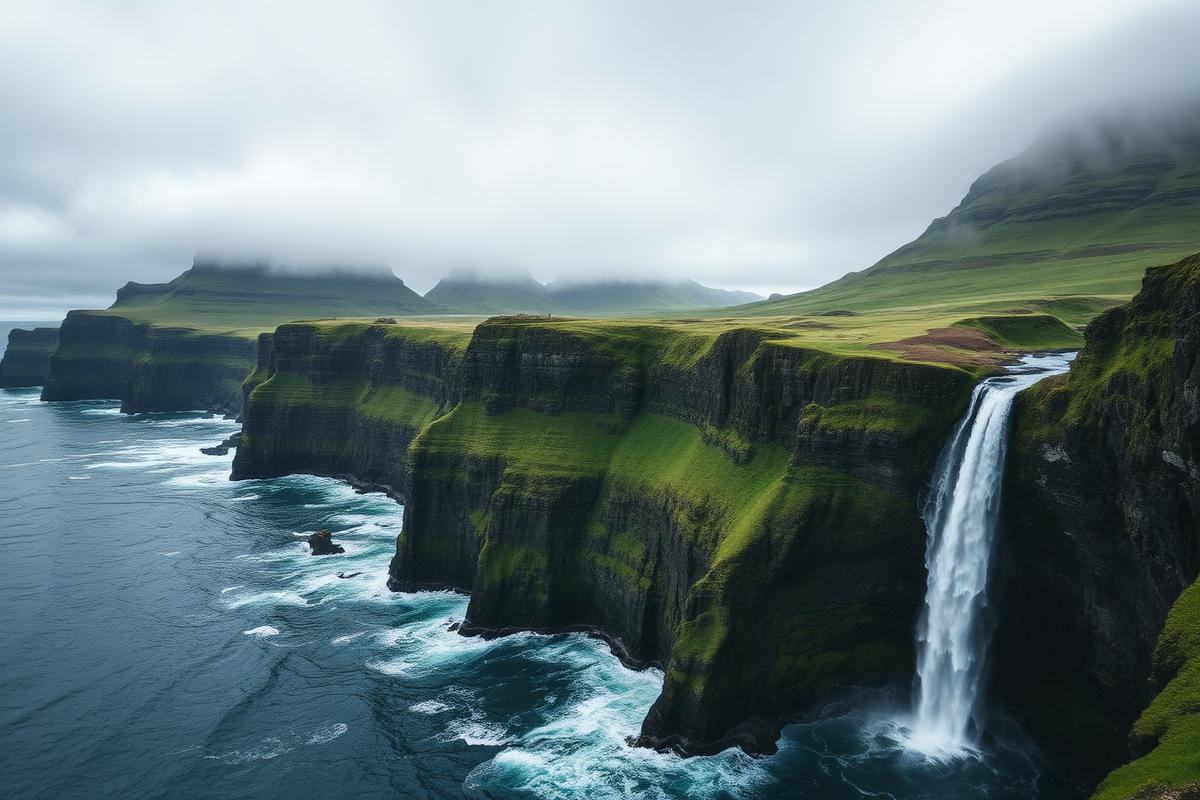
Beyond the famous circuit, the South Island has corners that particularly reward solo exploration. The Catlins, on the southern coast, is a wild, underpopulated stretch of rainforest, waterfalls, sea lion colonies, and dramatic sea arches that sees a fraction of the tourist traffic of the west coast or Queenstown. You could spend three days in the Catlins and see almost nobody. The West Coast, between Greymouth and Haast, has a frontier quality — tiny towns, jade-green rivers, forests that have grown undisturbed for centuries.
Nelson and the Abel Tasman National Park in the north of the island offer a gentler counterpoint to Fiordland's grandeur — golden beaches, kayaking through sea caves, warm water by South Island standards. Abel Tasman is the most-visited national park in New Zealand, but if you kayak out to the islands or walk the coastal track, you will find plenty of quiet even at the height of summer.
Managing Money as a Solo Traveler
New Zealand is not a budget destination. Accommodation, food, and activities are priced at approximately European levels, and the exchange rate can be unkind to visitors from many currencies. Solo travelers bear costs that couples and groups split — single room supplements, your own campervan, your own groceries — so budgeting carefully matters. The freedom camping and DOC hut system is a genuine cost-saver if you are comfortable with simple facilities. Cooking your own meals for at least half your meals makes a significant difference. The New World and Pak'nSave supermarket chains offer good fresh local produce at reasonable prices.
- Budget NZ$100-150 per day for a campervan trip including food, fuel, and modest activities.
- The DOC annual hut pass (NZ$122 in 2025) pays for itself quickly if you plan multiple hut nights on non-Great Walk tracks.
- Wwoofing (World Wide Opportunities on Organic Farms) is a legitimate way to reduce costs in exchange for a few hours of farm work per day.
- The i-SITE visitor centers in every major town offer free advice and can sometimes find last-minute accommodation deals.
When to Go Solo on the South Island
Autumn — March through May — is arguably the best season for solo travel on the South Island. The summer crowds have thinned, the beech forests are turning copper and gold, the temperatures are still comfortable for hiking, and the light has a warmth and quality that photographers chase. Accommodation is available without weeks-advance planning. The Great Walks are still operating. The campervan parks are not at capacity. You have the island more to yourself, which is precisely the solo traveler's dream.
The Thing Nobody Tells You
The thing nobody quite tells you about solo travel on the South Island is that by the end of two weeks, you will have become someone who trusts themselves more. The small acts of self-reliance — navigating a mountain track alone, cooking dinner in a layby while rain drums on the campervan roof, making a decision about tomorrow based purely on what you want — add up to something that carries home with you. New Zealand has a way of peeling back the layers. Solo travel lets it do that work without interference. You will come home changed, in the good way, in the lasting way.