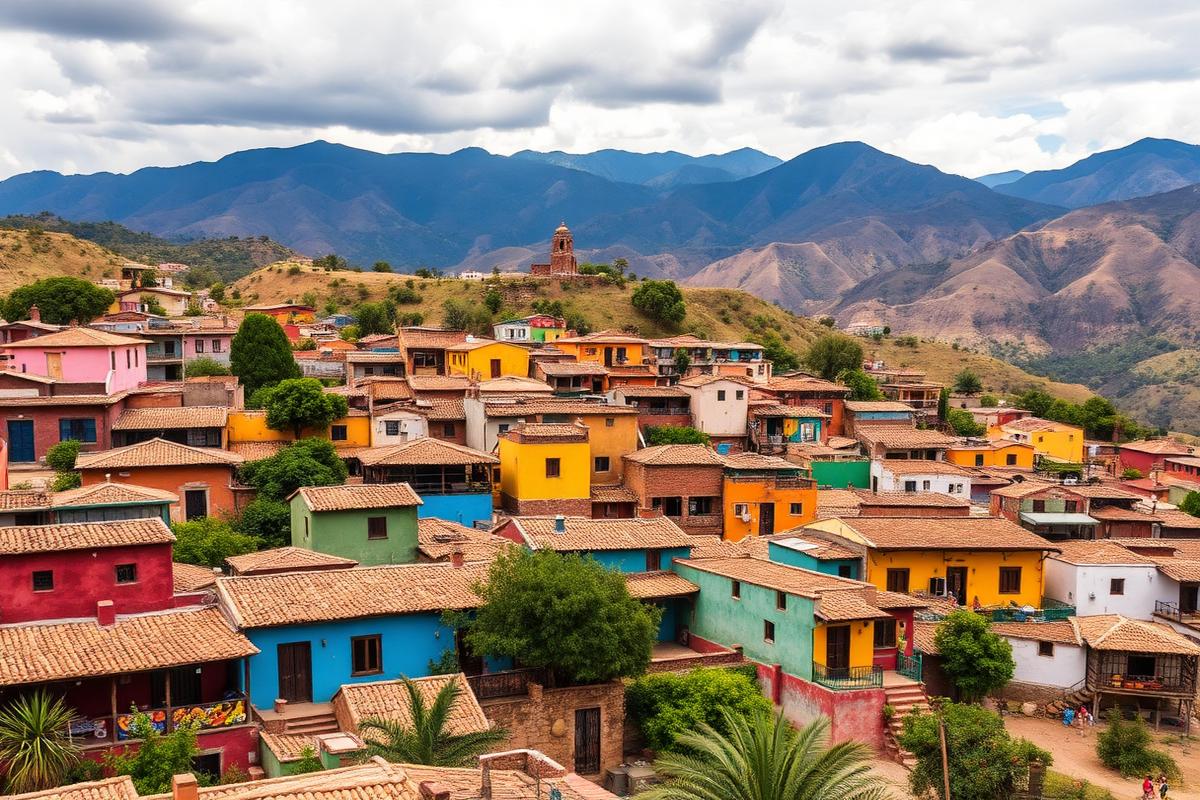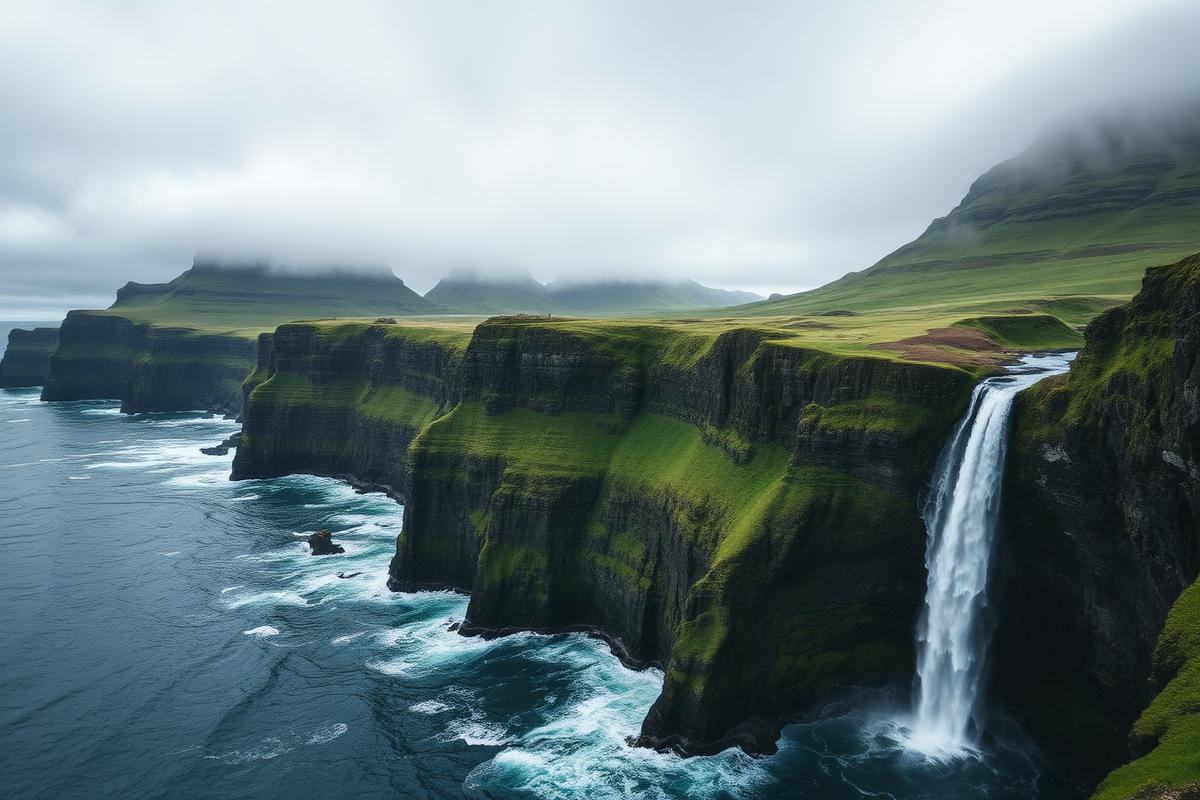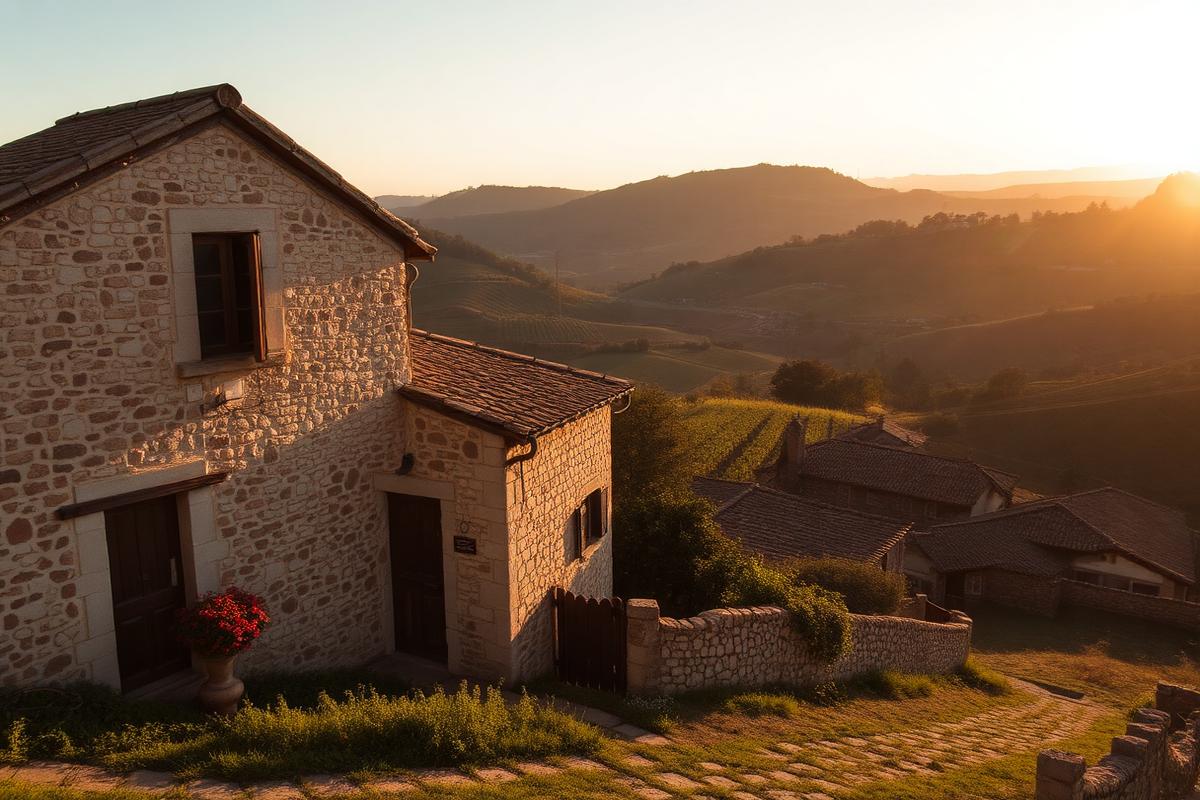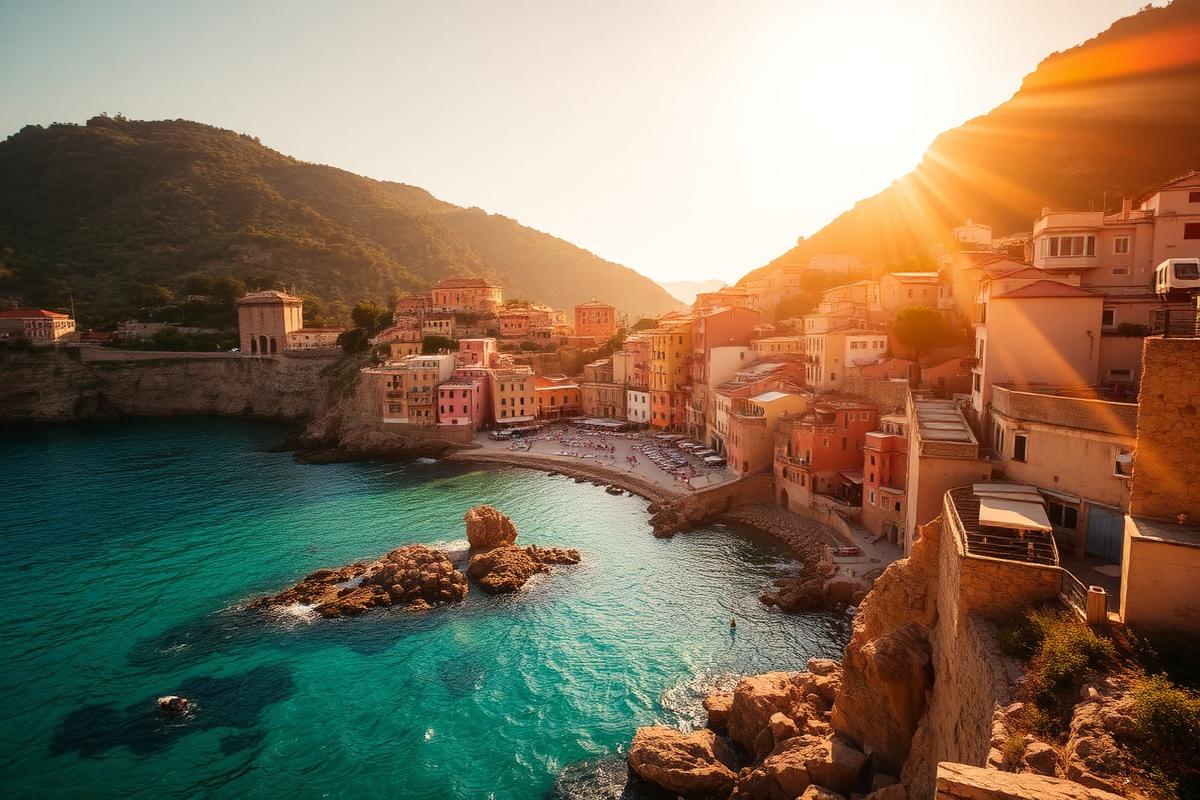

There is a particular kind of exhaustion that comes from seeing too much too fast. You arrive home from a two-week trip with a camera roll full of landmarks, a suitcase full of magnets, and a curious feeling that you barely touched any of it. The Mediterranean coast — from the sun-bleached villages of southern France to the terraced hillsides of the Amalfi Coast and the quiet coves of the Croatian islands — offers a different invitation entirely. It asks you to sit down, order a second carafe, and watch the light change on the water.
Slow travel on the Mediterranean is not about being lazy. It is about being deliberate. When you spend five days in a single Provençal village instead of five days racing through six cities, you start to notice things: the way the baker stacks her baguettes, the shortcut the schoolchildren take through the market square, the precise shade of lavender the hills turn just before dusk. These are the details that travel memories are actually made of, and the Mediterranean is absolutely bursting with them.
Why the Mediterranean Is Perfect for Slow Travel
The Mediterranean lifestyle — what Italians call la dolce vita and what the French simply call living well — is structurally compatible with slow travel. Lunch is not a snack; it is an event. Afternoons have a built-in pause. Evenings stretch long and late, filled with conversation rather than itinerary items. When the local culture already moves at a human pace, it becomes much easier for you to do the same.
The geography helps, too. Many of the most beautiful places along the Mediterranean coast are small enough to walk end-to-end in twenty minutes, which means your feet become your primary transport. You are not burning hours on trains or buses. You are wandering down a cobblestone alley and finding an unmarked doorway that leads to a courtyard full of lemon trees. That kind of discovery is only possible when you are on foot and not in a hurry.
Choosing Your Base: Village Over City
The most important decision in a slow Mediterranean trip is where to base yourself. Resist the pull of the major cities for your home base. Cities like Nice, Naples, and Dubrovnik are wonderful for a day or two, but they are also loud, crowded, and expensive. Instead, look one layer deeper into the map. In southern France, consider Lourmarin or Gordes in the Luberon rather than Aix-en-Provence. On the Amalfi Coast, Praiano is a quieter, more intimate alternative to Positano. In Croatia, the island of Vis or the Pelješac Peninsula offer far more breathing room than Hvar or Split in high season.
Renting an apartment or a small house for a week or more rather than booking a hotel gives you an immediate sense of belonging. You shop at the local market, you figure out the quirks of the espresso machine, you learn which neighbor will wave back. This domestic routine — small and unspectacular as it sounds — is the beating heart of slow travel. You are not a tourist passing through. You are, temporarily and wonderfully, a local.
Planning Your Days Without an Itinerary
Slow travel does not mean zero planning. It means front-loading the logistics so that your days feel genuinely open. Before you arrive, research the weekly market days in your village, any local festivals happening during your stay, and the one or two truly unmissable experiences in the area (a specific restaurant, a coastal walk, an archaeological site). Book those. Then leave everything else unscheduled.
You will be amazed how full an unscheduled day can become. A morning coffee at the village bar that turns into a conversation with a retired fisherman who offers to show you his boat. A spontaneous decision to follow a trail sign that leads to a view you have never seen in any guidebook. An afternoon rain shower that sends you into a bookshop and results in the best paperback you have read in years. These things do not happen when your day is back-to-back with reservations.
- Check local market days before you arrive — most villages have one per week and it is the social and culinary highlight.
- Download offline maps for your region so you can wander without worrying about data.
- Keep one full day per week completely unplanned as a genuine "follow your nose" day.
- Learn five to ten words in the local language — even clumsy attempts are met with warmth.
- Pack a small notebook. Slow travel generates observations worth writing down.
Eating Your Way Through the Region — Slowly
Food is one of the primary languages of the Mediterranean, and eating slowly is a form of cultural immersion. Resist the tourist-facing restaurants on the main square with laminated menus and photos of every dish. Walk two streets back and look for the place with a handwritten menu, where the owner is also the cook. Sit down for a proper three-course lunch — starter, main, cheese, maybe a dessert — and let the afternoon disappear.
Visit the local market every time it is open. Buy olives from the woman who grew them, bread from the baker who started at four in the morning, tomatoes that are still warm from the sun. Cook in your apartment some evenings. A simple meal of great local ingredients prepared in your own temporary kitchen is often more memorable than any restaurant. There is a specific satisfaction in knowing you found the good olive oil, the right pasta, the local wine that nobody writes about.
Getting Around Without the Stress
One of the liberating aspects of slow travel is that you simply need to go fewer places. If you are staying in one village for a week, you might make two or three day trips and spend the rest of the time on foot. For those excursions, local buses are often charming and affordable — the coastal buses of the Amalfi Coast, for example, are famously dramatic, threading through hairpin bends above turquoise water. In France, a small rental car gives you freedom to explore the back roads of the Luberon or the Languedoc at your own pace.
If you are island-hopping in Croatia or Greece, slow down even the hopping. Rather than ferrying between five islands in a week, visit two. Spend four days on each. You will see the difference between the ferry-day crowd and the Tuesday-afternoon quiet. You will find the beach that requires a twenty-minute walk and is therefore almost empty. You will eat dinner at the same taverna twice, and the second time, they will remember how you like your fish.
The Best Time of Year to Go
Shoulder season — May, early June, September, and October — is the slow traveler's sweet spot on the Mediterranean. The light is extraordinary, the temperatures are comfortable for walking, the crowds have thinned to a manageable level, and prices are significantly lower than the July-August peak. Accommodation is easier to book at the last minute, which suits the spontaneous spirit of slow travel.
May is particularly magical in Provence, when the wildflowers are still out and the lavender fields are just beginning to purple up. September in Croatia is warm enough to swim but cool enough to hike. October on the Amalfi Coast has a melancholy beauty — the summer visitors are gone, the light is amber and low, and the towns reclaim their own rhythms. Any of these windows will give you the Mediterranean at something close to its true, unhurried self.
Slowing Down Your Mind, Not Just Your Feet
The deeper gift of slow travel is not what you see but how you feel. Without a packed schedule, your nervous system actually gets a chance to decompress. The background hum of productivity-anxiety that follows most of us everywhere gradually quiets. You stop mentally composing emails and start actually tasting your food. You stop photographing sunsets and start watching them.
This is worth protecting. Put your phone away during meals — not just face-down but actually away, in your bag. Set your social media apps to a single check-in per day. Buy a paper map of your village and use it. Read a physical book in the shade. These small, analog choices compound into something that starts to feel like real rest — the kind that a week at a busy resort never quite delivers.
Practical Tips for Your First Slow Escape
- Book your accommodation for at least seven nights in one place to get a true sense of belonging.
- Resist the urge to "do" more than one major excursion per day — let afternoons be free.
- Tell your accommodation host what you love and ask for their personal recommendations; they will point you somewhere wonderful.
- Carry a tote bag everywhere — you never know when you will pass a market or a bakery.
- Accept that some days will feel quiet or even slow in the dull sense; that is the cost of real rest, and it is worth it.
Coming Home Different
The strange thing about slow travel is that you come home having seen less and experienced more. You cannot rattle off a list of cities and landmarks. But you can describe the exact color of the sea at 6 a.m. from your terrace, the sound of the church bell that woke you each morning, the flavor of the local cheese you ate so much of that you eventually found the farm where it was made. You return not depleted but genuinely restored. That is the real promise of the Mediterranean, and you will only collect on it if you actually slow down.