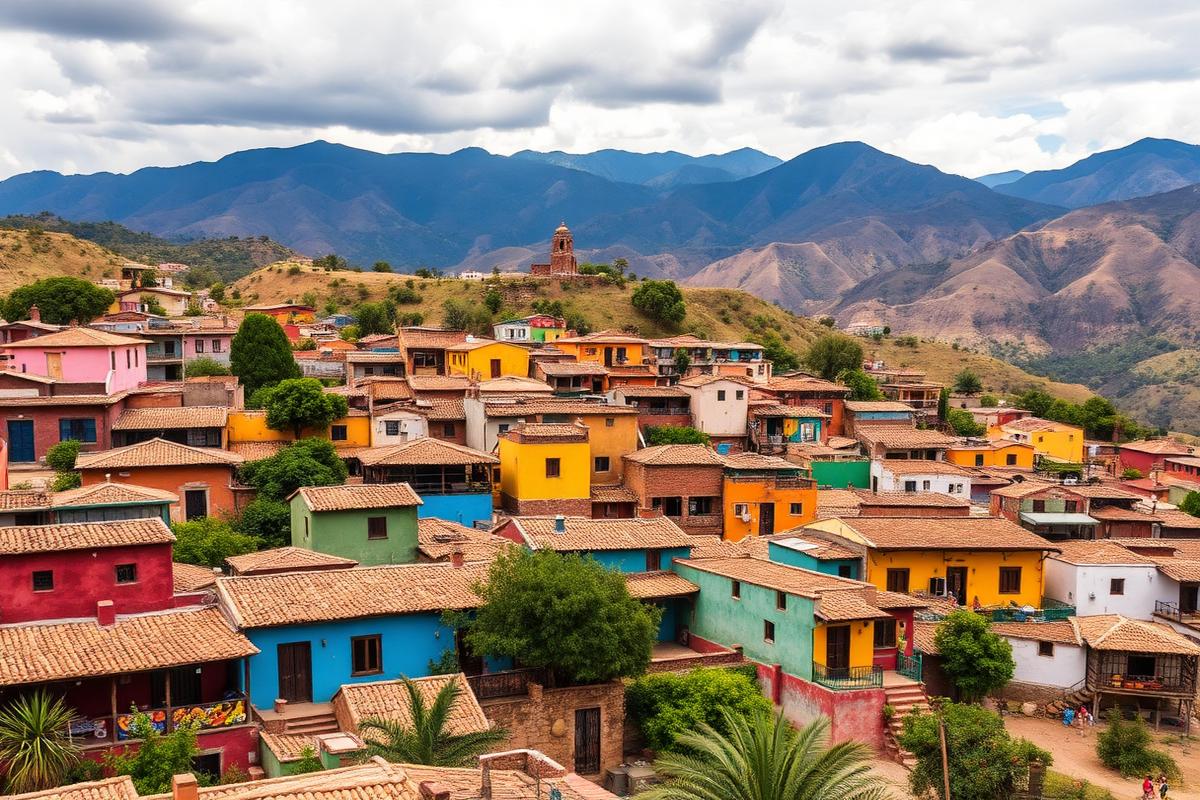

Nobody talks about loneliness in the nomad highlight reel. You see the rooftop sunsets and the laptop-on-the-beach shots, but you rarely see the part where someone is sitting alone in a beautiful city on a Tuesday night, genuinely missing their friends, unsure how to connect with anyone, wondering if they made a mistake. That part is real, it is common, and almost every long-term nomad has been through it at some point.
The good news is that loneliness as a nomad is a solvable problem — not perfectly, not instantly, but genuinely. Building community while constantly moving requires intentionality and a willingness to be slightly vulnerable in a way that settled life does not demand. But the friendships you build through that process are often among the most meaningful of your life. Here is a practical, honest roadmap for doing it well.
Understanding Why Nomad Loneliness Happens
Loneliness is not just about being physically alone. Research by social psychologist John Cacioppo defines it as perceived social isolation — the gap between the social connection you have and the social connection you want. As a nomad, that gap opens up in a specific way: you may be surrounded by people in a busy co-working space or hostel but still feel profoundly disconnected, because the relationships are all surface-level and temporary.
The traditional friendship formation process — repeated, unplanned interactions over time in a shared context — is exactly what nomadic life disrupts. You cannot run into someone at the coffee machine for the fifth time in a week if you are working from a café you will never visit again. Understanding this structural challenge helps you stop blaming yourself and start designing around it.
Choose Your Accommodation Strategically
Where you sleep shapes your social world more than almost any other single decision. Solo apartments on Airbnb offer comfort and privacy but almost zero organic social contact. Co-living spaces, on the other hand, are purpose-built for exactly the kind of community formation nomads need: shared kitchens, common areas, community events, and built-in peer groups of people who understand your lifestyle.
Coliving brands like Outsite, Selina, Habyt, and WiFi Tribe create communities with genuine depth — weekly dinners, excursions, skill-share sessions, and a culture of openness to connection. Even staying in a well-chosen hostel (many modern hostels cater specifically to working travellers with private rooms, strong Wi-Fi, and community programming) for your first few nights in a new city can dramatically accelerate your social integration.
Use Co-Working Spaces as Community Anchors
A co-working space is not just a place to work — it is the closest thing the nomad world has to an office community. The best ones run weekly events, happy hours, skill-share sessions, and lunch outings that give you natural, repeated contact with the same people. That repetition is the raw ingredient of real friendship.
- Join a co-working space for at least a week rather than buying single day passes — the regularity of showing up creates the repeated contact that friendship needs.
- Introduce yourself to the community manager on day one. They know everyone and can make targeted introductions based on your interests or profession.
- Attend at least one community event during your stay, even if you are tired and introverted. The people who show up to optional events are usually the most open to connection.
- Be a generous contributor: share a useful tool, offer to review someone's work, or organise an informal dinner. Generosity is the fastest trust-builder in any new community.
Tap Into Nomad-Specific Online Communities
The digital nomad world has a rich ecosystem of online communities where people share city recommendations, co-working tips, and meetup announcements — and where real friendships often begin before anyone has even met in person. Nomad List has city-specific chat channels where you can ask who else is currently in Chiang Mai or Medellín and arrange a coffee meetup. Facebook groups like Digital Nomad Girls or Remote Work & Travel organise local gatherings in dozens of cities.
Reddit communities like r/digitalnomad, r/solotravel, and city-specific subreddits are genuinely useful for finding other nomads in your current location. Meetup.com lists events in most major cities and is particularly strong for professional networking events that attract location-independent workers. The key is to move conversations from online to in-person as quickly as possible — digital connection is a bridge, not the destination.
Invest in Slow Travel for Deeper Roots
The single most effective change most lonely nomads can make is to slow down. Moving every week or two makes meaningful connection structurally nearly impossible. Staying in a city for a month or more allows you to become a familiar face — at the local café, in the co-working space, in the neighbourhood. People invite you to things, remember your name, text you when they are going to the market. Community accumulates with time.
A minimum of four weeks in one location is the threshold most experienced nomads recommend for feeling genuinely embedded rather than perpetually transient. This does not mean you have to stay forever — but it does mean resisting the FOMO that pushes you to keep moving before you have had a chance to actually land somewhere.
Join Activity-Based Groups
Some of the best nomad friendships form around shared activities rather than shared work. Sports, hobbies, and interest-based groups create natural, recurring contact with a built-in conversational focus, which removes the awkwardness of cold social approaches. Almost every major city has English-friendly options across a wide range of activities.
- Running clubs: Groups like November Project operate in cities worldwide and are famously welcoming to visitors.
- Language exchange meetups: Apps like Tandem and platforms like Meetup regularly list language exchange events where you teach your native language in exchange for learning the local one — great for connecting with both locals and expats.
- Volunteer opportunities: Spending even one afternoon a week helping a local NGO or community project builds deep connection while giving something back.
- Rock climbing gyms, yoga studios, and martial arts dojos: These communities tend to be particularly warm and inclusive, and a weekly drop-in creates repetition fast.
- Local sports leagues: Many cities have expat or international football, basketball, or volleyball leagues that welcome drop-in players.
Maintain Your Home Friendships Intentionally
Building new community on the road does not mean letting your existing friendships wither. Long-term nomads who are genuinely happy report maintaining deep friendships back home through deliberate, rhythmic communication — not passive likes on social media, but actual conversations. A standing monthly video call with a close friend, a group chat that stays genuinely active, or even old-fashioned voice messages sent during a long walk can sustain a friendship across years and time zones.
Be honest with your home friends about what your life actually looks like — the lonely Tuesday nights as well as the rooftop sunsets. Sharing the full picture keeps relationships real and prevents the subtle distance that grows when friends start to feel like they only know your Instagram version.
Organised Nomad Retreats and Programs
If you want to accelerate community-building dramatically, consider joining an organised nomad program for a month. Programs like Remote Year, WiFi Tribe, and Hacker Paradise bring together groups of location-independent workers to travel together through a series of destinations, with accommodation, co-working, and community programming all handled. The friendships formed in these intensely shared experiences tend to be unusually strong and long-lasting.
These programs are not cheap, but the investment can be transformative, particularly in the early months of nomad life when building a community from scratch feels most overwhelming. Many participants describe their cohort as becoming their closest friends — people they continue to travel with, work with, and visit for years after the program ends.
Be Honest About What You Need
Different people need different amounts of social connection to feel well. An introvert who recharges through solitude has genuinely different community needs than an extrovert who needs daily social interaction. Know your own threshold and design around it honestly rather than trying to match some imagined ideal of what a nomad's social life should look like.
If you notice creeping loneliness, treat it as information rather than weakness. It is telling you something needs to change — perhaps your location, your accommodation, your pace of travel, or your level of intentional outreach. The nomads who thrive long-term are the ones who listen to that signal early and act on it, rather than waiting for it to compound into something harder to climb out of.
A Note on Connection With Locals
Finally, do not neglect the deep richness that comes from genuine connection with people from the country you are visiting. The nomad bubble — all the co-working spaces and coliving houses full of other remote workers — can become its own kind of echo chamber. Language exchange meet-ups, neighbourhood gyms, local markets, and community volunteering all provide gateways into the actual texture of a city's life. Some of the most meaningful conversations and the most lasting memories of nomad life come from relationships formed well outside the nomad ecosystem itself.
Loneliness on the road is real, but it is neither inevitable nor permanent. With deliberate choices about where you stay, how long you linger, and how openly you invest in connection, you can build a community that is rich, diverse, and genuinely sustaining — one that spans continents and lasts a lifetime.