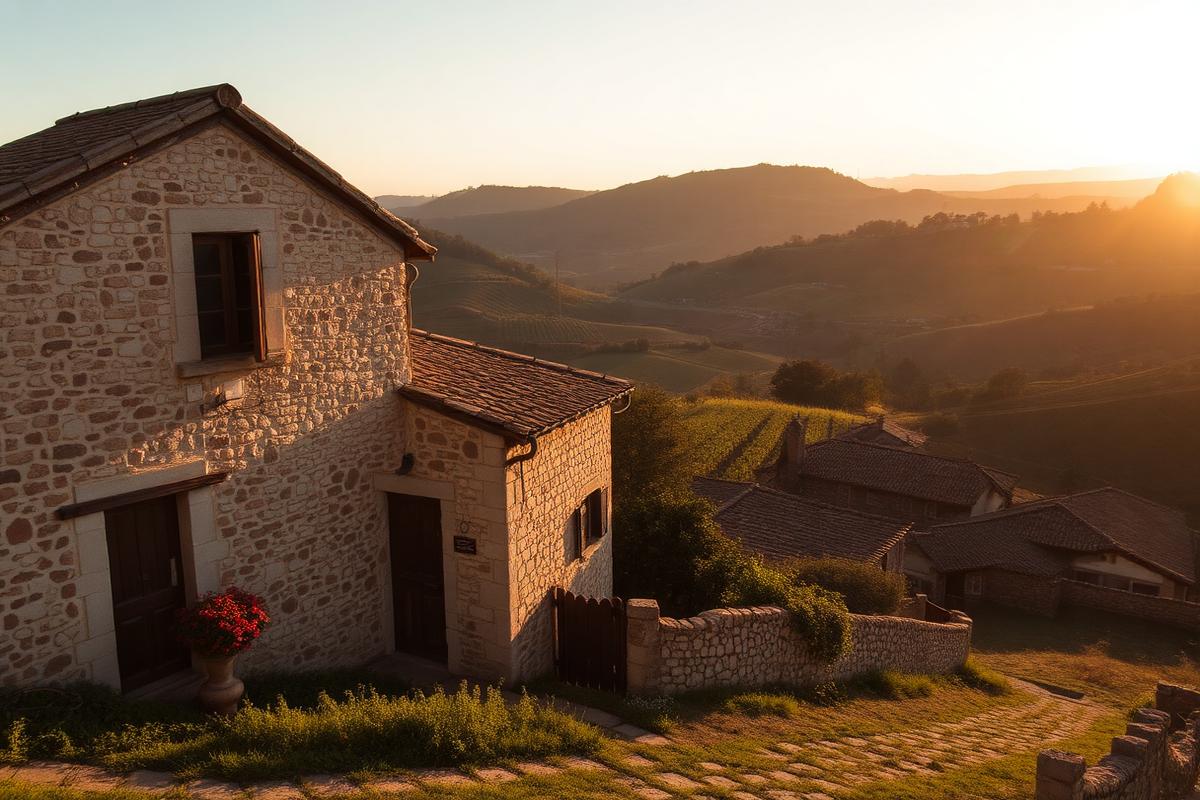

There is a seductive fantasy attached to the digital nomad lifestyle: you wake up whenever you like, sip a cortado in a sun-drenched café, open your laptop, and watch the money roll in between bites of a flaky croissant. The reality, as anyone who has actually tried it will tell you, is wonderfully messier than that. The cortado is real. The croissant is real. The challenge of actually getting your best work done in a new city every few weeks — that is very real too.
After years of working remotely across four continents, I have learned that the nomads who thrive long-term are not the ones with the most exotic Instagram backdrops. They are the ones who have engineered a portable routine — a framework flexible enough to survive a midnight flight delay but structured enough to protect their focus and income. This guide walks you through every layer of that routine, from the moment your alarm goes off to the moment you close the laptop for good each day.
Why Routine Matters More When Everything Else Is Changing
Your brain craves predictability. Neuroscience research consistently shows that decision fatigue accumulates throughout the day — every choice you make, from what to eat to which task to tackle first, draws from the same finite pool of cognitive energy. When you are in a new city, that pool gets drained faster than usual: unfamiliar streets, foreign menus, new transit systems, the low-level hum of navigating an unfamiliar environment. A reliable daily routine acts as a cognitive buffer, automating the small stuff so your best mental energy goes toward your actual work.
This does not mean rigidity. The goal is to identify the non-negotiable anchors of your day — a morning ritual, a defined work block, a hard stop time — and keep those consistent even when the backdrop changes. Everything else can flex around them.
Start the Night Before: The Two-Minute Reset
The most underrated productivity habit is a two-minute end-of-day review. Before you close your laptop each evening, write down the three most important tasks for tomorrow — not a full to-do list, just the three things that would make tomorrow feel like a genuine success. This takes the guesswork out of your morning and dramatically reduces the anxious mental churn that can make it hard to fall asleep in a new place.
Also use this two minutes to confirm tomorrow's logistics: check the café you plan to work from (look up opening hours, note the Wi-Fi password if it is listed, confirm it is open on that day of the week — tourists get burned by Monday closures more often than you would think). If you are in a co-working space, confirm your access. If you have any timezone-sensitive calls, double-check the local time offset. Five minutes of planning tonight saves forty minutes of frantic scrambling tomorrow morning.
Designing Your Morning Ritual
Your morning ritual should be portable, repeatable, and genuinely nourishing — not a performance. The goal is to move from sleep to focused work state as smoothly as possible. A solid portable morning ritual might include: ten minutes of gentle movement (stretching, a short walk, or a bodyweight circuit you can do anywhere), a consistent breakfast or coffee routine, and ten to fifteen minutes of either journaling or reading something non-work-related. This last element is important: it gives your brain a gentle on-ramp before the demands of the workday hit.
Resist the urge to check email or Slack the moment you wake up. Reactive mode — responding to whatever lands in your inbox — is the productivity killer of the nomad world. Give yourself at least thirty minutes of proactive time first. That might feel uncomfortable at first, especially if you have colleagues in other time zones. But unless your role genuinely requires instant response at all hours (in which case, renegotiate your role), a thirty-minute buffer in the morning will not hurt anything and will do wonders for your output.
Choosing Where to Work: Cafés vs. Co-Working vs. Accommodations
One of the biggest daily decisions as a nomad is where to plant yourself and do the work. Each option has trade-offs, and the right mix depends on your work type, personality, and budget.
- Cafés: Best for lighter creative or research tasks. Ambient noise can boost certain types of creative thinking. Drawbacks include unreliable or slow Wi-Fi, limited power outlets, and the social pressure to keep buying drinks. Always have a mobile hotspot as backup.
- Co-working spaces: The gold standard for focused, deep work. Fast internet, reliable power, meeting rooms for video calls, and the bonus of a built-in community of like-minded workers. A day pass typically costs $15–$30 USD depending on the city; a monthly membership can be dramatically cheaper.
- Your accommodation: Surprisingly productive if you have a dedicated desk area and your space has good Wi-Fi. The danger is the blurring of work and rest — once the couch becomes a workstation, it stops being a place to relax. Discipline around space usage matters here.
- Libraries and university spaces: Often overlooked and genuinely excellent in cities with good public infrastructure. Free, quiet, and usually fast Wi-Fi. Check local rules about non-member access.
Many experienced nomads settle on a hybrid model: mornings in a co-working space for their deepest, most demanding work, then afternoons in a café for lighter tasks like email, reading, or administrative work. This also gives you a natural midday transition point that functions like a commute — a physical movement that signals a shift in mental mode.
Time-Blocking for the Nomad Brain
Time-blocking — assigning specific tasks to specific time slots in your calendar — is particularly powerful for remote workers because there is no external structure enforcing your schedule. Nobody walks by your desk to check on you. There is no meeting room booked you have to show up for. The discipline has to come entirely from within, and time-blocking makes that discipline visible and concrete.
A practical nomad time-block template might look like this: 8:00–9:00 morning ritual, 9:00–12:00 deep work block (your single most important project, phone on Do Not Disturb, notifications off), 12:00–13:00 lunch and a proper break away from screens, 13:00–15:30 collaborative work (meetings, email, Slack catchups), 15:30–17:00 lighter work (planning, reading, administrative tasks), 17:00 hard stop. The exact times flex with your timezone situation and personal chronotype, but the structure — protect the morning for your best work — stays constant.
Managing Time Zones Without Losing Your Mind
Time zone management is one of the genuinely tricky parts of the nomad life, and it deserves honest treatment. If your clients or employer are in a specific timezone, your daily schedule will always exist in some relationship to theirs. The question is how much overlap you need and how you negotiate the edges.
- Use a world clock app (Klokki, World Time Buddy, or even the native iPhone/Android clock with multiple cities added) and check it before scheduling anything.
- Communicate proactively with clients about your availability windows rather than making them figure it out. A simple note in your email signature listing your current timezone and available hours goes a long way.
- Batch your timezone-sensitive work. If your US-based client is only reachable from 5–8 PM your current local time, protect that window and plan the rest of your day around it.
- Give yourself a full day buffer when crossing more than five time zones before resuming intensive client work. Jet-lagged Zoom calls rarely impress anyone.
Building in Real Breaks (Not Fake Ones)
A scroll through Instagram is not a break. Eating lunch at your laptop while clearing emails is not a break. A real break involves genuine disengagement from work-related cognitive activity. This might be a twenty-minute walk through the neighbourhood, a conversation with a local shopkeeper, a sit in a park, or simply staring at the ocean for a while. These are not luxuries — they are neurological necessities. Research on cognitive restoration consistently shows that true mental rest improves subsequent focus and creativity.
Build at least two proper breaks into your workday: one around the middle of the morning and one midday. Use the midday break to eat somewhere local if possible — it doubles as cultural immersion and gives you a genuine reason to step away from the screen. The nomad who actually explores the city during breaks returns to their work more energised than the one who doom-scrolls at their desk.
The Weekly Review: Your Navigation System
On top of the daily structure, a short weekly review — thirty to forty-five minutes, ideally on Friday afternoon or Sunday evening — keeps you from drifting off course. Review what you accomplished against what you planned, identify what got derailed and why, and set your top three priorities for the coming week. Also use this time to handle any logistics for your next destination if you are moving soon: accommodation, transport, timezone changes, and whether you need to notify clients.
The weekly review also gives you a space to check in on your own wellbeing honestly. Are you feeling isolated? Burned out? Are you actually enjoying the lifestyle or just grinding through it? The nomad life is extraordinary, but it requires honest self-assessment to stay sustainable. Catching warning signs early — creeping loneliness, slipping productivity, persistent fatigue — is much easier than recovering from a full burnout in a city where you do not know anyone.
Protecting Your Personal Life
Remote work blurs the boundary between work and life in ways that office work simply does not. When your bedroom is your office and your commute is a sixty-second walk to the kitchen, the risk of overworking is real. Set a hard stop time and stick to it — not because work does not matter, but because your personal life, your health, and your ability to actually experience the countries you are working from all depend on it.
Schedule something enjoyable after your hard stop time so there is a genuine pull away from the laptop: a language lesson, a cooking class, meeting a fellow nomad for dinner, or simply a long exploratory walk. The goal of the nomad life, after all, is not to work more efficiently in more exotic locations. It is to build a life that is genuinely richer — work included, but not work dominated.
Practical Tools to Keep Your Routine Portable
- Notion or Obsidian: For your daily task lists, weekly reviews, and travel logistics all in one place. Syncs across devices so your system travels with you.
- Forest or Freedom: App blockers that keep you off distracting websites during your deep work block. Especially important when willpower is low in a new environment.
- A noise-cancelling headphones: Not optional. Whether you are in a noisy café or a shared co-working space, the ability to create acoustic privacy is transformative.
- A portable laptop stand and compact keyboard: Protects your posture across dozens of different work setups. Your body will thank you after the first month.
- A travel router or reliable eSIM plan: Never depend on a single source of internet. Having both a local SIM data plan and a portable Wi-Fi device means you almost never face a connectivity crisis.
Building a reliable daily routine as a digital nomad is one of the most empowering investments you will make in your nomad career. It is not glamorous — it is the opposite of the spontaneous, free-spirited image the lifestyle gets sold as. But it is precisely this invisible structure that allows you to show up fully to both your work and the extraordinary experience of living in the world. Get the routine right, and everything else — the cafés, the adventures, the freedom — gets much more enjoyable.