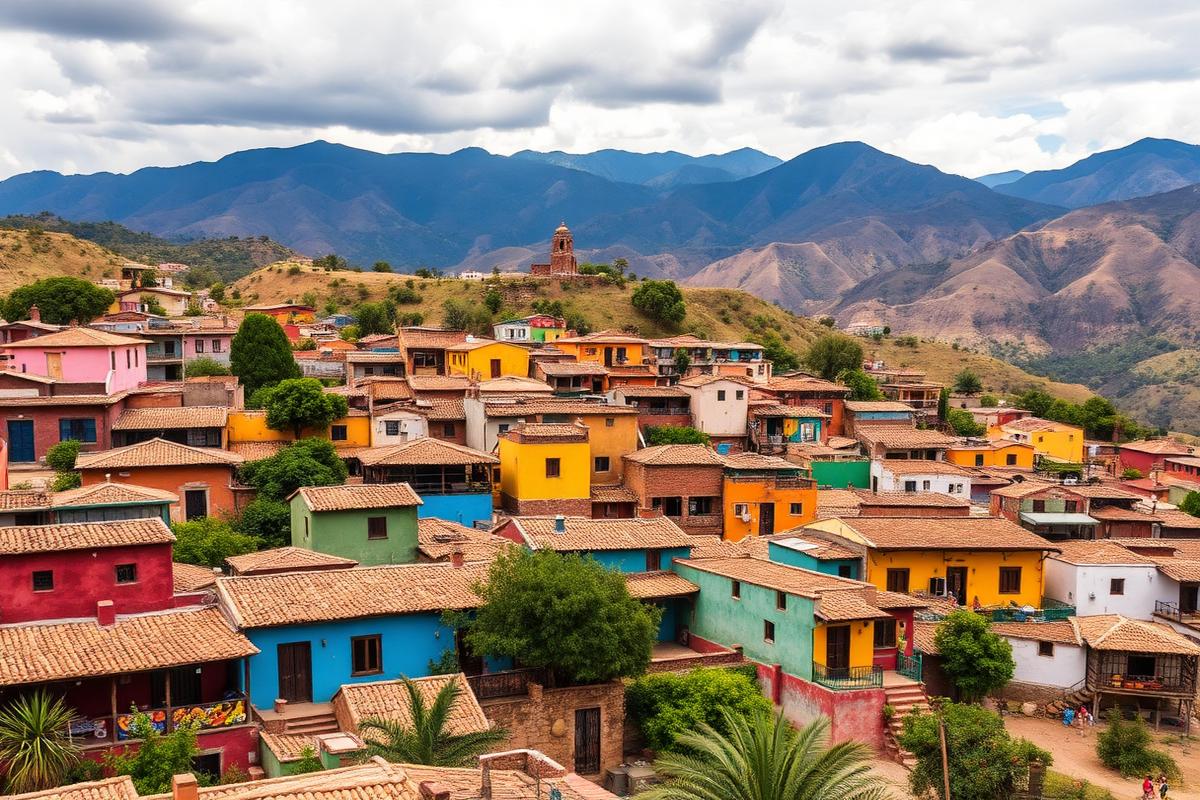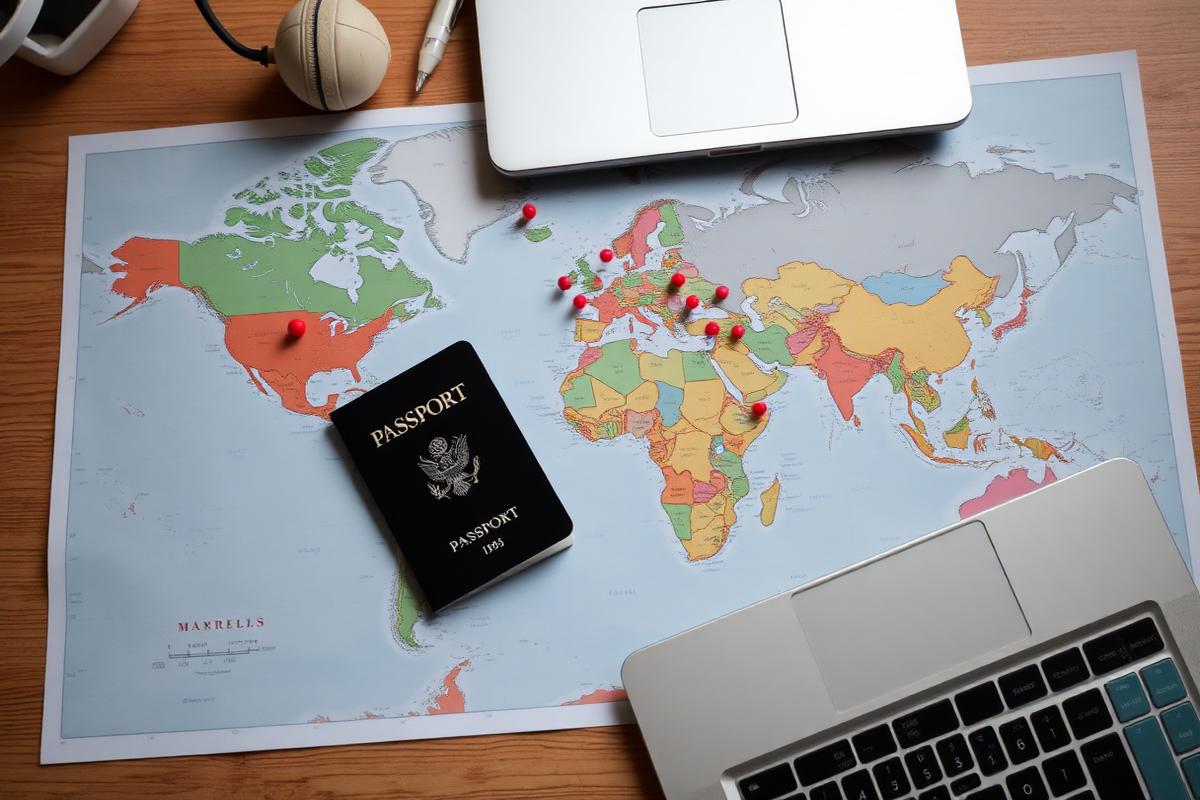

Picking your next nomad destination based on Instagram aesthetics is a fast route to a miserable month of slow internet, expensive co-working, and a twelve-hour timezone gap with every client you have. The cities that photograph best are not always the cities that work best for remote workers. But the good news is that evaluating a destination with the right framework takes about thirty minutes and can save you weeks of frustration.
Over years of location-independent work, I have lived in more than forty cities across six continents — some brilliant, some disastrous, most somewhere in between. What separates the great nomad destinations from the merely pretty ones comes down to a handful of concrete factors. Here is the framework I use to make every destination decision, and how you can adapt it to your own work style and life priorities.
Factor One: Internet Reliability
No factor matters more to your remote work than internet speed and reliability. This is the single variable that can derail an otherwise excellent destination. Before booking anything, check Nomad List's internet data for your target city — the crowdsourced speed scores give you a realistic sense of what to expect in cafés, co-working spaces, and typical apartments.
Beyond average speeds, think about redundancy. Can you get a reliable local SIM with data? Is there a strong co-working ecosystem with multiple space options? Cities with a single dominant provider — or where mobile data is expensive or restricted — create fragility you can not afford when a client deadline hits. Countries with strong mobile infrastructure like Taiwan, South Korea, Estonia, and Portugal consistently rate highly. Some otherwise wonderful cities in Africa and Southeast Asia can be challenging for internet-dependent work, though the situation improves constantly — always check recent traveller reports rather than outdated generalizations.
Factor Two: Timezone Alignment
Timezone compatibility with your clients and colleagues is a factor many nomads underestimate until they have experienced the grind of late-night calls and early-morning availability windows. The impact of timezone gaps is asymmetric: small gaps of one to three hours are manageable and sometimes advantageous. Gaps of seven or more hours create real structural challenges, especially for collaborative work or client-facing roles.
- Map your clients' or employer's core hours before choosing a destination and identify which timezones give you acceptable overlap.
- If you serve European clients, look at the GMT-2 to GMT+3 band — it gives you good overlap from Lisbon to Istanbul.
- If you serve North American clients, Latin America is a near-perfect timezone match. Mexico City, Medellín, and Buenos Aires are all excellent nomad cities with US-aligned hours.
- If you serve Asia-Pacific clients, Southeast Asia and East Asia offer natural alignment without the punishing schedules of serving Asian clients from Europe.
Factor Three: Cost of Living vs. Quality of Life
The nomad value proposition is often described as earning a developed-world income while living on an emerging-economy budget. That framing is real but requires nuance. Cities like Bali, Chiang Mai, and Tbilisi offer extraordinary value — high quality of life, great food, vibrant nomad communities, and low living costs. But other destinations that appear cheap on paper hide costs in unreliable transport, expensive international groceries, or the time tax of navigating a difficult bureaucratic environment.
When evaluating cost, think about your full monthly spend: accommodation, food, co-working, transport, health insurance, entertainment, and the occasional splurge. Many nomads find that the cities with the happiest cost-to-experience ratios are mid-tier, slightly off-the-radar choices — Porto rather than Lisbon, Oaxaca rather than Mexico City, Plovdiv rather than Sofia — where the tourist infrastructure is good but the tourist pricing has not yet arrived.
Factor Four: Safety and Practical Livability
Safety matters for your wellbeing, your productivity, and your peace of mind. You do not have to choose only the safest cities in the world — that would eliminate some truly extraordinary nomad destinations. But you do want to be honest about what level of vigilance and inconvenience you are comfortable with. Walking home late at night, using public transport, exploring on foot — these are daily activities whose safety profile varies enormously between cities.
Livability also extends beyond safety: healthcare quality and access (especially relevant for solo nomads far from home support networks), air quality and climate, walkability and transport, and the availability of the specific foods, gyms, outdoor spaces, or cultural activities that matter to your personal wellbeing. A city can be perfectly suited to someone who thrives in heat and chaos and deeply wrong for someone who needs cold air, quiet, and nature.
Factor Five: Visa Access and Legal Clarity
The visa landscape for digital nomads has improved dramatically in the past few years, with more than fifty countries now offering dedicated digital nomad or remote worker visas. But the options and requirements vary enormously by your passport. Before falling in love with a destination, confirm exactly what visa you are entitled to and for how long — and whether working remotely for foreign clients is legally permitted on that visa.
- Portugal's D8 Digital Nomad Visa allows up to two years of residence for remote workers earning above a minimum income threshold.
- Costa Rica's Rentista visa and its newer digital nomad visa allow twelve months of residence for remote workers.
- Estonia's Digital Nomad Visa is ideal for EU-focused workers — ninety days with clear legal standing for remote work.
- Georgia allows most passport holders to stay visa-free for up to a year and has no specific restrictions on remote work for foreign clients — one of the most nomad-friendly destinations on earth.
- Indonesia's new E33G Secondary Digital Nomad Visa covers Bali and other Indonesian destinations for sixty days, extendable, with a relatively straightforward application process.
Factor Six: Co-Working and Café Ecosystem
Even if you plan to work mostly from your accommodation, a city with a rich co-working and café culture gives you options, flexibility, and social contact that makes a tremendous difference over a month-long stay. Look for cities with at least three to five well-reviewed co-working spaces (competitive options mean better quality and fairer pricing), cafés that explicitly welcome working customers, and a local culture that generally tolerates the laptop-wielding remote worker.
Some cities have pushed back against the nomad-in-café model — increased minimum spend requirements, Wi-Fi passwords changed hourly, or outright no-laptop policies. This is most common in major European tourist centres and upscale café districts in Southeast Asian cities. It is worth checking recent nomad forum posts before building a destination plan around café working.
Factor Seven: Community Fit
Some destinations have developed dense nomad communities that create a self-sustaining social ecosystem — regular meetups, active online groups, strong coliving options, and a culture of openness to connection. Medellín, Chiang Mai, Lisbon, Tbilisi, Mexico City, and Bali are among the most established of these. Others have smaller but perfectly satisfying communities of expats and international remote workers.
The right community fit depends on your preferences. If you thrive on a large, active, nomad-specific social scene, choose an established hub. If you prefer a quieter, more local-feeling environment with a smaller expat community, look at the up-and-coming second-tier cities that experienced nomads are discovering — Plovdiv in Bulgaria, Florianópolis in Brazil, Kotor in Montenegro, or Hội An in Vietnam.
Building a Decision Scorecard
Rather than weighing all these factors in your head at once, build a simple scorecard. List your top five or six factors, weight them according to your personal priorities, and score each candidate city out of ten for each factor. The city with the highest weighted total is almost always a better choice than the one with the most beautiful photos.
For most remote workers, internet reliability and timezone alignment deserve the heaviest weighting — they directly affect your income and your ability to keep your clients happy. Cost, safety, and community fit are important secondary factors. Climate and lifestyle elements are meaningful but should be the tiebreaker rather than the main driver. One bad video call in three months of bad internet is enough to make anyone regret choosing a destination for its sunsets.
Testing Before Committing
Whenever your schedule allows, do a one-week test stay in a new destination before committing to a full month. This is especially important for destinations you have never visited before. A single week gives you a meaningful read on the internet situation, the working environment, the social scene, and whether the city feels right in your gut — often the most honest indicator of all.
The best nomad destinations are deeply personal. One person's dream city is another person's nightmare. With the right framework, you can stop guessing and start choosing destinations that genuinely work for your life — beautiful and productive, social and sustainable, exciting and grounding all at once.