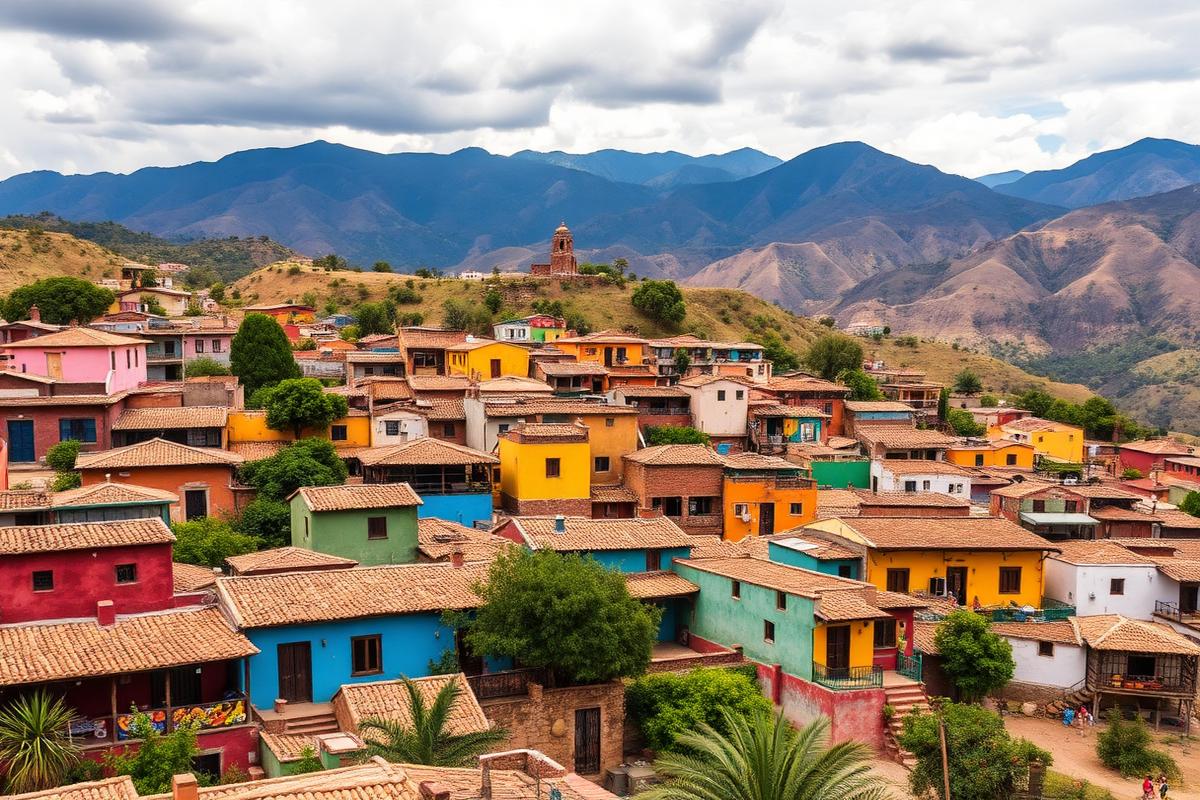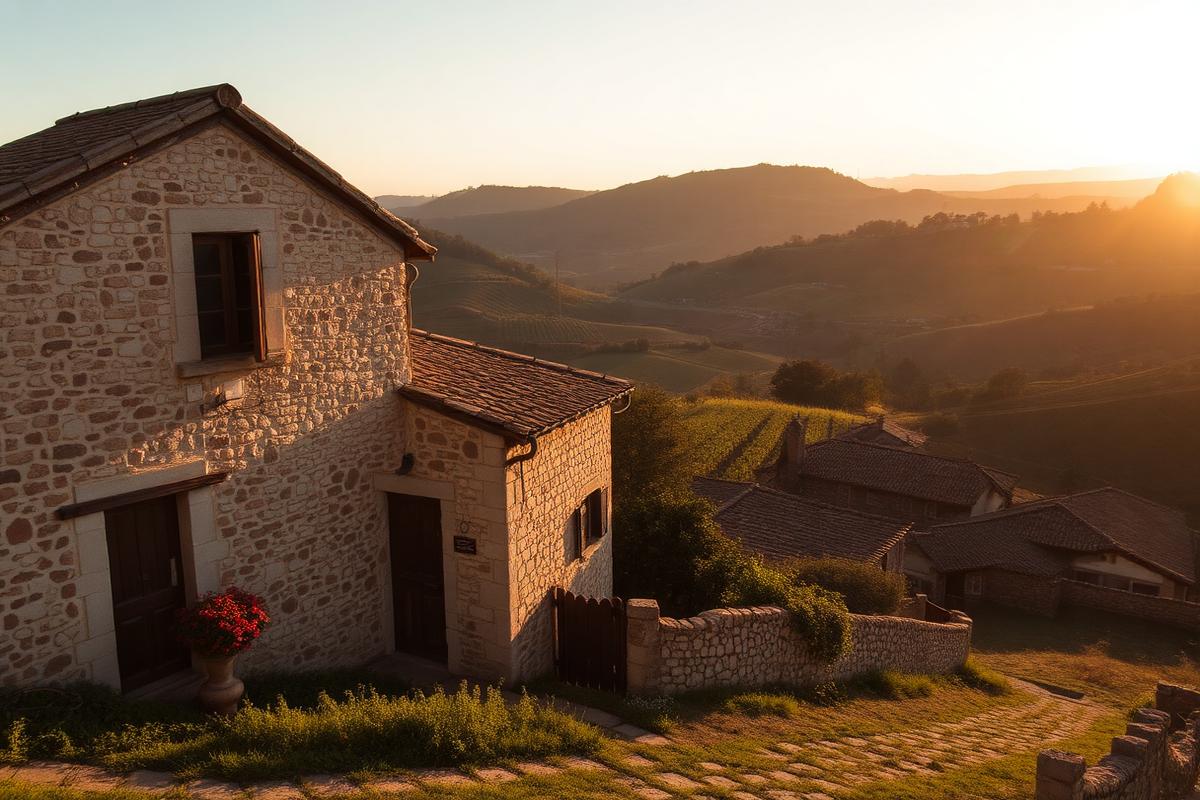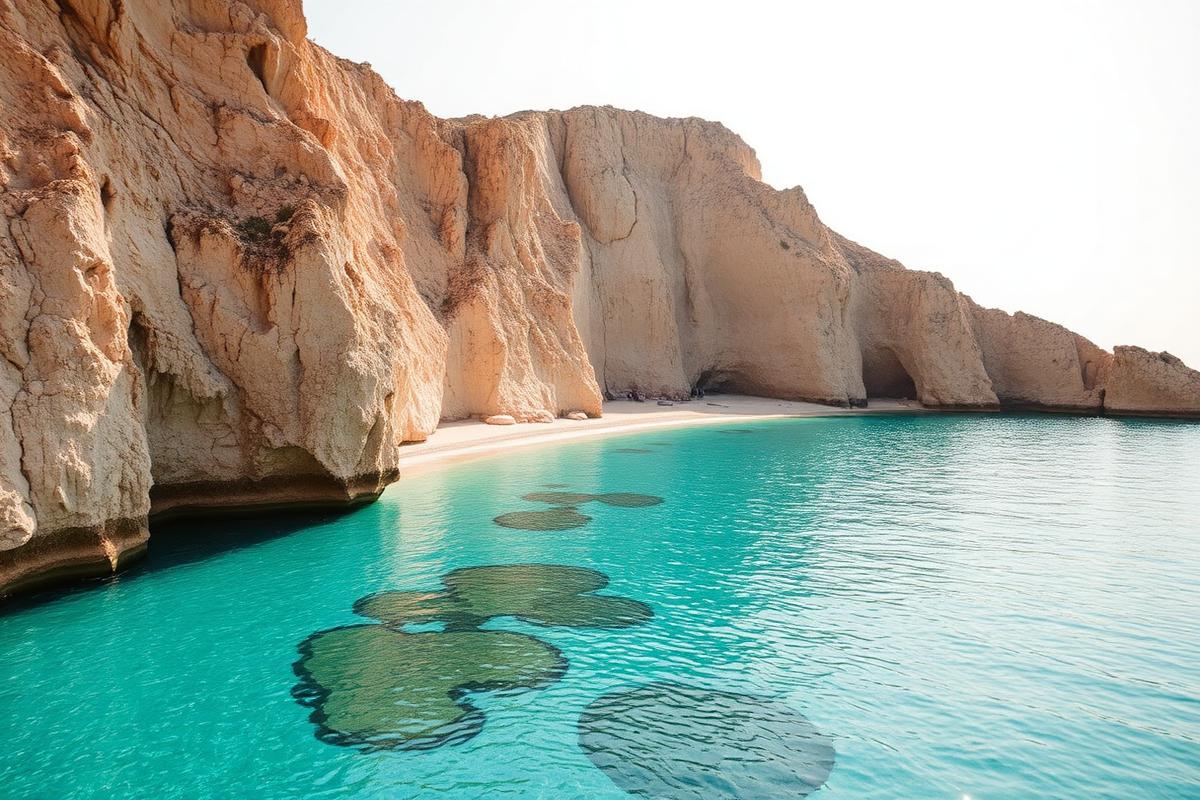

Draw a line from Sarandë to Himarë on a map of Albania, trace it along the Ionian coast past impossibly turquoise coves and mountains that drop straight into the sea, and you have what might be the most underrated coastline in Europe. The Albanian Riviera — also called the Albanian Riviera or Bregu — has the topography of Amalfi, the water of the Greek islands, and prices that will make you feel like you have found a glitch in the matrix. It also has, for now, the thing that most Mediterranean coastlines surrendered years ago: genuine quiet.
Albania surprised the travel world in the last decade by opening up thoughtfully to tourists after decades of isolation under one of the twentieth century's most severe communist regimes. The country is safe, the people are extraordinarily hospitable (Albanian hospitality, or besa, is not a marketing slogan but a centuries-old cultural code), and the infrastructure has improved dramatically. The coast road is paved. The restaurants are good. The accommodation ranges from family guesthouses to boutique hotels. And almost none of it is crowded, even in August.
The Lay of the Land: Which Towns and When
The Albanian Riviera runs roughly seventy kilometres from the port city of Sarandë in the south — directly across the water from Corfu — to the beach town of Dhërmi in the north. The main access point is Sarandë, which has a small airport with seasonal European connections and is also reachable by ferry from Corfu in forty-five minutes. The drive along the SH8 coastal road from Sarandë north to Dhërmi takes about ninety minutes without stops, but with stops — and there will be many stops — it takes a full day.
The towns each have a distinct character. Ksamil, just south of Sarandë, has four small islands accessible by a short swim and clear water rivaling the Maldives. Qeparo is a semi-abandoned hilltop Ottoman village above a beach that sees perhaps fifty visitors on a busy summer day. Palasë has a long, wide beach where Albanian families come for their summer holidays, which means excellent local food and none of the tourist-facing markup. Dhërmi is the most developed and popular of the northern beaches — still manageable by European standards, but the most party-oriented of the group.
Getting There Without the Hassle
The easiest entry to the Albanian Riviera from Western Europe is the ferry from Corfu to Sarandë, which runs several times daily and takes under an hour. Corfu has direct flights from most major European cities. This ferry crossing also makes a fascinating trip in itself — watching the mountains of southern Albania grow from a silhouette into a full-scale landscape as you cross the strait is a genuinely dramatic arrival.
Alternatively, Tirana's international airport (Mother Teresa Airport) has improved its connections significantly and now receives flights from London, Rome, Vienna, Istanbul, and a growing number of other hubs. From Tirana, the Albanian Riviera is about four hours by road, passing through the city of Gjirokastër — an extraordinary Ottoman mountain town and UNESCO World Heritage Site worth a night's stop in its own right.
Where to Stay: The Albanian Guesthouse
The best accommodation on the Albanian Riviera is not a hotel in the conventional sense — it is the family-run guesthouse (bujtinë). These are typically homes with spare rooms or small annexes, run by families who will feed you breakfast with olive oil and white cheese and tomatoes from their garden, who will point you to the correct beach path and warn you about the current at the north end, and who will occasionally invite you to drink rakia (the local spirit, distilled from grapes and truly formidable) with whatever other guests are around.
- Booking.com lists Albanian guesthouses reasonably well; look for places with recent reviews mentioning host friendliness and home-cooked food.
- Many of the best guesthouses are also found through local Facebook groups and word-of-mouth; ask in Albania travel forums.
- Prices for a clean double room with breakfast on the Albanian Riviera average 30-55 euros per night — extraordinary value for this level of scenery.
- Book July and August accommodation at least six weeks in advance; the Riviera is increasingly popular with Italian and German travelers who have discovered it.
The Beaches: Finding the Perfect Cove
The Albanian Riviera's beaches range from wide sandy strands to pebble coves accessible only by boat or a thirty-minute scramble down a mountain path. The latter are the ones worth seeking. Gjipe Beach, for example, is reached by a dramatic canyon walk from the road above — thirty minutes on foot, no vehicles possible — and arrives at a beach enclosed by limestone cliffs where the water is so clear you can see the pebbles twelve metres down. In July, you might share it with twenty people. In October, you might have it to yourself.
Palasa Beach, Jale, and the beaches around Livadh near Himarë offer a good balance of accessibility and beauty. The water temperature along this coast reaches 26-28°C in July and August and remains swimmable through October. Snorkeling is excellent — the rocky headlands between coves host sea urchins, octopus, small grouper, and the occasional moray eel. Bring your own mask and fins if you have them; rental equipment is available but inconsistent.
Eating and Drinking Remarkably Well
Albanian food on the Riviera draws from Ottoman, Greek, and Italian influences and is dominated by the quality of its ingredients: the olive oil is extraordinary, pressed from trees that have grown on these hillsides for a thousand years; the seafood comes out of the Ionian that morning; the vegetables come from the garden or the market in Sarandë. A grilled whole fish, a Greek-style salad, a carafe of house white wine, and a plate of byrek (savory pastry filled with spinach and cheese) adds up to a meal that costs twelve euros and tastes like forty.
Rakia, the grape-based spirit, is the social drink of Albania and is offered freely in guesthouses and local restaurants — typically homemade by someone's uncle and typically much stronger than you expect. Declining is possible but will disappoint your host; accepting and sipping slowly is the better strategy. Albanian wine, particularly the Kallmet red grape from the north and the Shesh i Bardhë white from the centre, is worth seeking out at local restaurants.
Beyond the Beach: Gjirokastër and the Interior
If your Albanian trip allows for more than the coast, Gjirokastër is one of the most remarkable towns in Europe. Built on a steep hillside above the Drino Valley, it is a UNESCO-listed Ottoman stone city with a hilltop castle that dominates the skyline and a bazaar district of slate-roofed houses that has been so well preserved it feels like walking into the eighteenth century. It was the birthplace of both Albania's communist dictator Enver Hoxha and the novelist Ismail Kadare — an irony that tells you something about the town's complex character.
Practical Tips and a Note on Timing
- The Albanian currency is the lek; ATMs are available in Sarandë and Himarë. Cards are accepted at mid-range restaurants but cash is king at guesthouses and smaller cafés.
- June and September are the sweet spot — warm water, fewer crowds, better accommodation availability.
- Renting a car in Sarandë gives you the freedom to chase the best beaches; driving standards are improving but remain unpredictable; drive defensively.
- An eSIM from Airalo or Nomad with an Albanian data plan is cheap and keeps you connected on the mountain roads.
- The local ferry service between Sarandë and Himarë operates in summer and is a lovely alternative to the coastal road.
Go Before Everyone Else Does
Travel writers have been saying "go now, before it gets discovered" about the Albanian Riviera for about ten years, and so far the discovery has been gradual enough that the advice still stands. The coast is more developed than it was in 2018, but it is still, by any European standard, uncrowded, affordable, and warm in every sense. The Albanians have a word — mirë se vini — that means both "welcome" and "you have arrived at something good." On the Albanian Riviera, it means both at once.