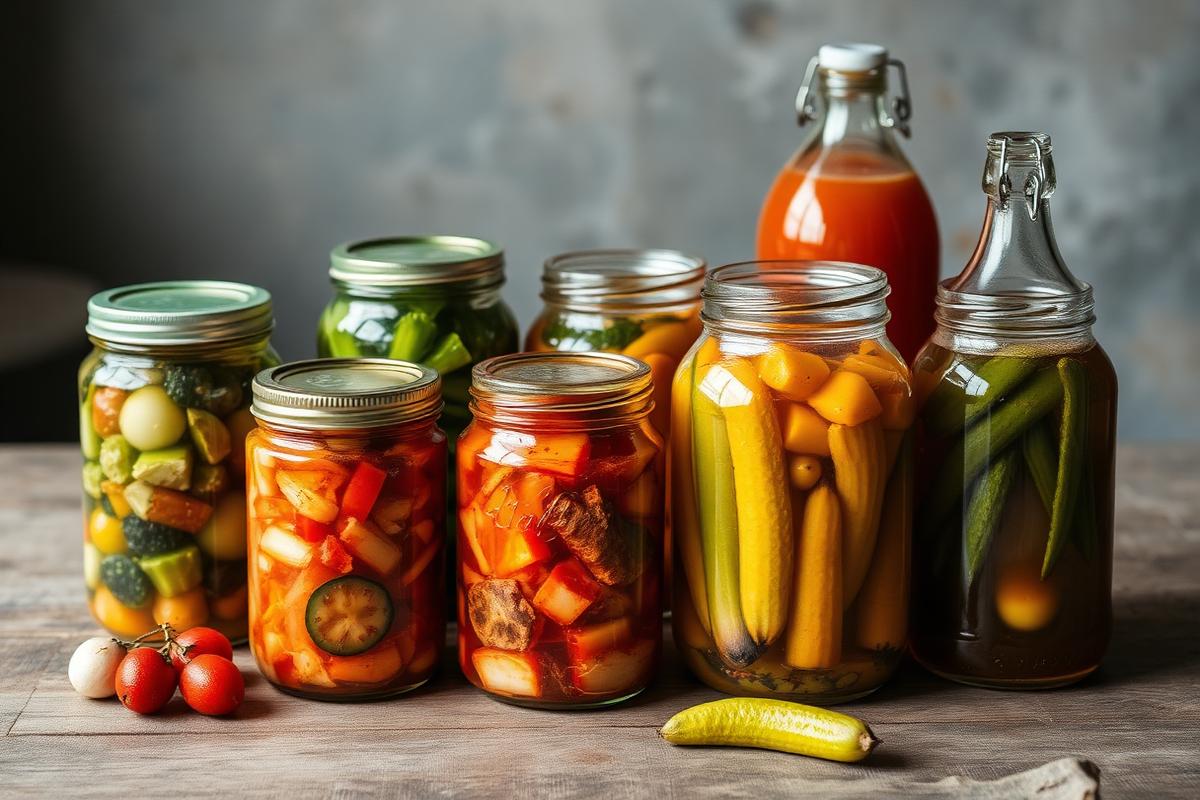

Long before refrigeration, humans solved the problem of food preservation through one of the most ingenious technologies ever developed: fermentation. By encouraging the right microorganisms to transform raw ingredients — cabbage, milk, grain, fish, tea — communities around the world created foods that not only lasted through long winters and sea voyages but developed extraordinary complexity of flavour in the process. The byproducts of that ancient preservation tradition are some of the most exciting and culturally revealing foods on the planet.
Seeking out fermented foods is one of the most rewarding approaches to culinary travel. These foods are deeply local, often made by small producers using techniques passed down through generations, and rarely travel well — meaning the best versions exist only where they are made. Eating them in context, ideally with the people who produce them, offers a window into a culture's relationship with time, patience, land, and tradition that almost no other food experience can match.
Korea: Kimchi and the Art of Fermented Community
No fermented food tradition in the world is more celebrated or more central to a national identity than Korean kimchi. Made from salted and fermented vegetables — most classically napa cabbage — seasoned with gochugaru (red pepper flakes), garlic, ginger, and fermented shrimp paste, kimchi exists in hundreds of regional and seasonal variations across Korea. It is served at virtually every meal, eaten as a side dish and cooked as an ingredient, and its preparation is a community ritual: kimjang, the annual communal kimchi-making before winter, was declared a UNESCO Intangible Cultural Heritage in 2013.
In Seoul, the National Folk Museum in Gyeongbokgung Palace holds an annual Kimjang Festival where visitors can participate in making kimchi alongside Koreans. The Kimchi Museum in Insa-dong documents the full history and diversity of kimchi styles. But the most meaningful kimchi encounter is simpler: visit a traditional market like Gwangjang or Noryangjin, find a grandmother selling her family's kimchi, buy a small bag, and eat it standing there in the cold morning air. The flavour — sour, spicy, deeply savoury, alive with beneficial bacteria — is incomparable to anything in a supermarket.
Japan: Miso, Tsukemono, and the Philosophy of Koji
Japanese fermentation culture is built around koji — the mold Aspergillus oryzae — which is the enzymatic engine behind miso, sake, soy sauce, mirin, and many varieties of tsukemono (pickled vegetables). Koji is cultivated on steamed rice or barley and then used to ferment other ingredients, producing complex umami flavours through enzymatic activity. The Japanese reverence for fermentation is philosophical as much as culinary: the best misos and soy sauces are aged for years or decades, and the qualities developed through that process are described in the same terms used for fine wine.
- In Kyoto, visit a centuries-old miso producer like Saikyo Miso and taste the difference between white, red, and aged miso side by side — the range is astonishing.
- In Tokyo, seek out a dedicated tsukemono shop in Nishiki Market or Yanaka shopping street and work your way through styles you have never encountered: plum (umeboshi), chrysanthemum petal, eggplant with ginger.
- Visit a sake brewery (many offer tours, especially in the Fushimi district of Kyoto and the Nada district of Kobe) to understand how koji transforms rice into one of the world's most complex fermented beverages.
- Explore natto — fermented soybeans with a distinctive sticky texture and pungent smell — at a traditional ryokan breakfast. It is an acquired taste that rewards the effort.
Georgia: Kvevri Wine and Chacha
Georgia lays claim to being the birthplace of wine, with evidence of winemaking dating back eight thousand years. The traditional Georgian method — fermenting whole-cluster grapes, including skins and seeds, in large clay vessels called kvevri buried underground — produces wines unlike anything else in the world: deeply coloured, tannic, complex amber wines that are having a global moment among natural wine enthusiasts. But to drink them in the context of a Georgian supra (a formal feast presided over by a toastmaster called a tamada) is a completely different experience than drinking them in a wine bar in Brooklyn.
The Kakheti wine region in eastern Georgia is the heart of kvevri wine country, dotted with family wineries where production methods have changed little in millennia. The opportunity to taste wine drawn directly from a kvevri in a family cellar, paired with churchkhela (walnut and grape must sweets) and aged sulguni cheese, is among the most memorable fermented food experiences available to any traveller. Georgia also produces chacha — a pomace brandy distilled from grape skins after winemaking — which functions as the local equivalent of grappa and is offered with tremendous generosity.
Ethiopia: Injera and the Sour Foundation of a Cuisine
Ethiopian cuisine is built on injera — a large, spongy, slightly sour flatbread made from fermented teff batter. Teff, an ancient grain native to the Ethiopian highlands, is ground, mixed with water, and left to ferment naturally for two to three days before being spread on a large clay pan and cooked into a thin, porous crepe-like bread. The fermentation gives injera its characteristic tang and its extraordinary functional quality: it serves simultaneously as plate, cutlery, and staple carbohydrate.
Eating injera in its home context — spread with berbere-spiced stews, lentils, and vegetable dishes, eaten communally from a single large platter with bare hands — is a full cultural experience. The sourdough funk of good injera, the way it absorbs the flavours of everything placed on it, and the social intimacy of eating from a shared platter creates a dining experience unlike anything in the Western tradition. In Addis Ababa, seek out family-run restaurants in the Piazza neighbourhood rather than the tourist-facing establishments near major hotels.
Germany and Central Europe: Sauerkraut, Bread, and Beer
Central European fermentation culture runs deep and covers all three primary macronutrient categories: vegetables (sauerkraut and its variants), grain (sourdough bread), and grain again (beer). German sauerkraut — shredded cabbage lacto-fermented with salt — is one of the most ancient preservation foods in the European tradition and varies remarkably by region, producer, and age. Freshly made sauerkraut, purchased from a market vendor and eaten that week, has a completely different character than the pasteurised, shelf-stable variety sold in jars.
- In Munich, visit the Viktualienmarkt to find traditionally made sauerkraut and fermented pickles from small regional producers.
- Explore German sourdough bread culture — Germany has over three hundred officially recognised bread types, many of them long-fermented — at a traditional bakery (Bäckerei) rather than a supermarket.
- Visit a traditional Bavarian brewery and understand how Hefeweizen (wheat beer) gets its characteristic banana and clove notes from the specific yeast strains used in fermentation.
- In Alsace, on the French-German border, try choucroute garnie — a regional feast of sauerkraut braised with Alsatian Riesling, served with multiple cuts of pork and potatoes. It is the apex of central European fermented food culture.
Mexico: Tepache, Mezcal, and Living Salsas
Mexican fermentation culture is both ancient and ongoing, rooted in pre-Columbian traditions that long predate Spanish contact. Pulque — the fermented sap of the maguey plant — was consumed ceremonially by the Aztec civilisation and remains a living tradition in central Mexico, sold from pulquerías (pulque bars) that have operated for generations. Its flavour is earthy, viscous, slightly sour, and completely unlike any other fermented drink — an acquired taste that rewards curiosity.
Mezcal, distilled from fermented agave, is experiencing a global renaissance but is best understood in its home region of Oaxaca, where small-scale palenques (distilleries) produce mezcals that express specific agave species, terroir, and traditional distillation methods. A mezcal tasting at a palenque in the Sierra Juárez mountains, paired with roasted chapulines (grasshoppers) and memelas (corn masa cakes), is a deeply specific culinary experience with no real equivalent elsewhere in the world.
How to Approach Fermented Foods as a Traveller
Fermented foods can be unfamiliar and challenging at first encounter — the pungency of certain aged cheeses, the funk of fish sauce, the sourness of a genuinely fermented vegetable. Approach them with patience and context. Understanding why a food tastes the way it does — the history, the technique, the cultural role — dramatically changes your ability to appreciate it. Disgust is often just unfamiliarity wearing a Halloween costume.
Start with fermented foods that share some quality with things you already enjoy. If you like sour foods, begin with kimchi or sauerkraut. If you like complex, savoury flavours, try miso or aged cheese. If you enjoy wine, amber wines are an extraordinary gateway. Once you start finding flavours you love within the fermented spectrum, the rest opens up in the most rewarding way. The world of fermented foods is one of the last genuinely unexplored culinary frontiers available to most travellers — and it is extraordinary.