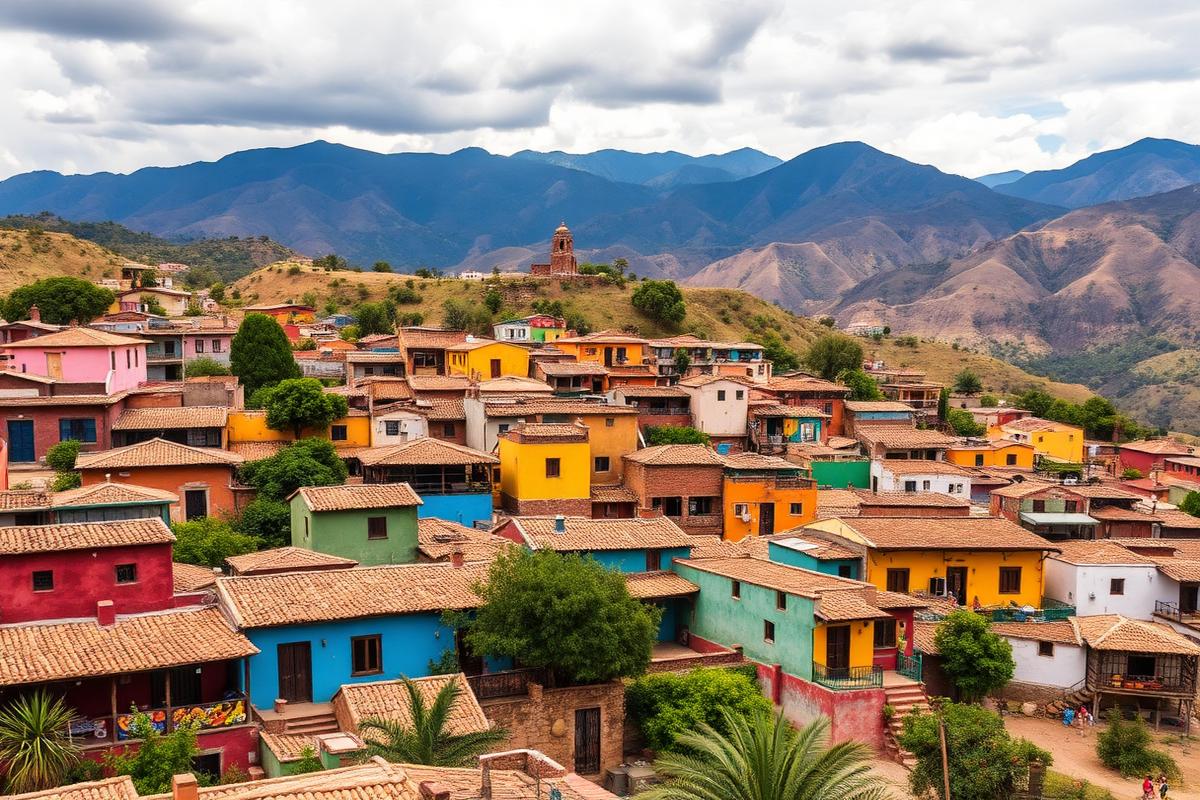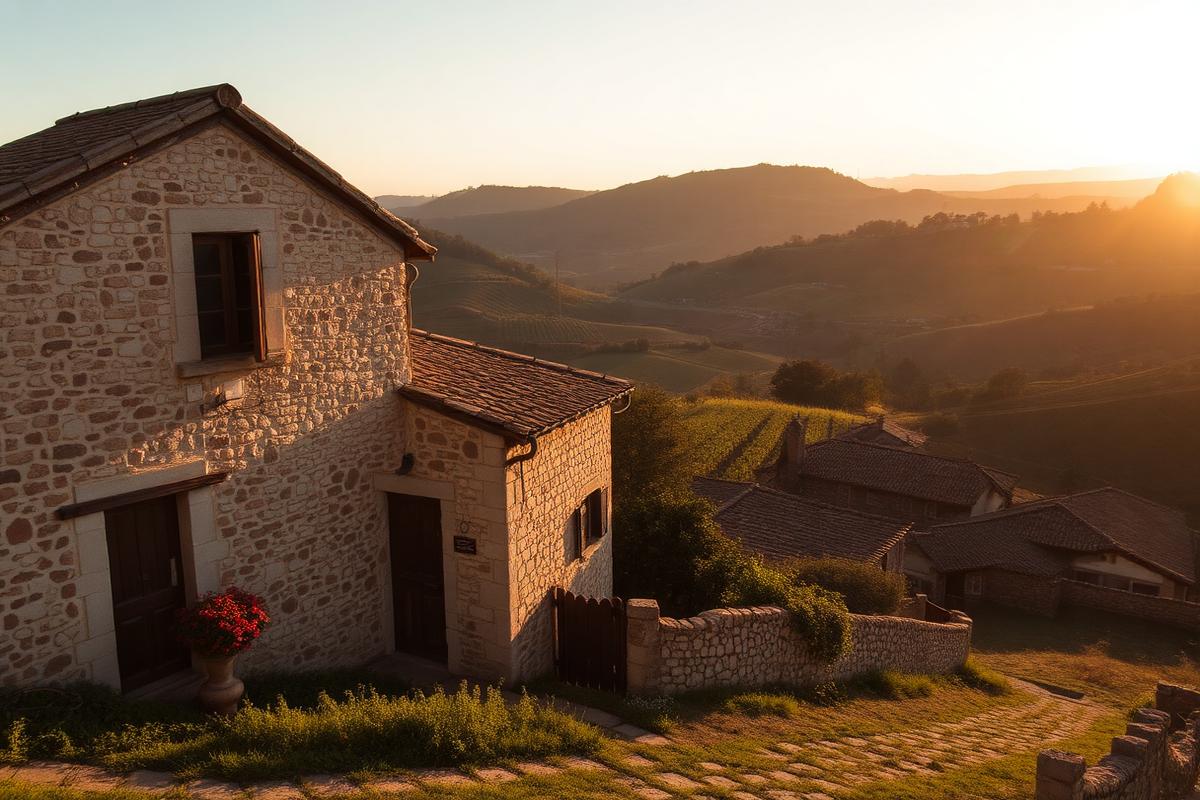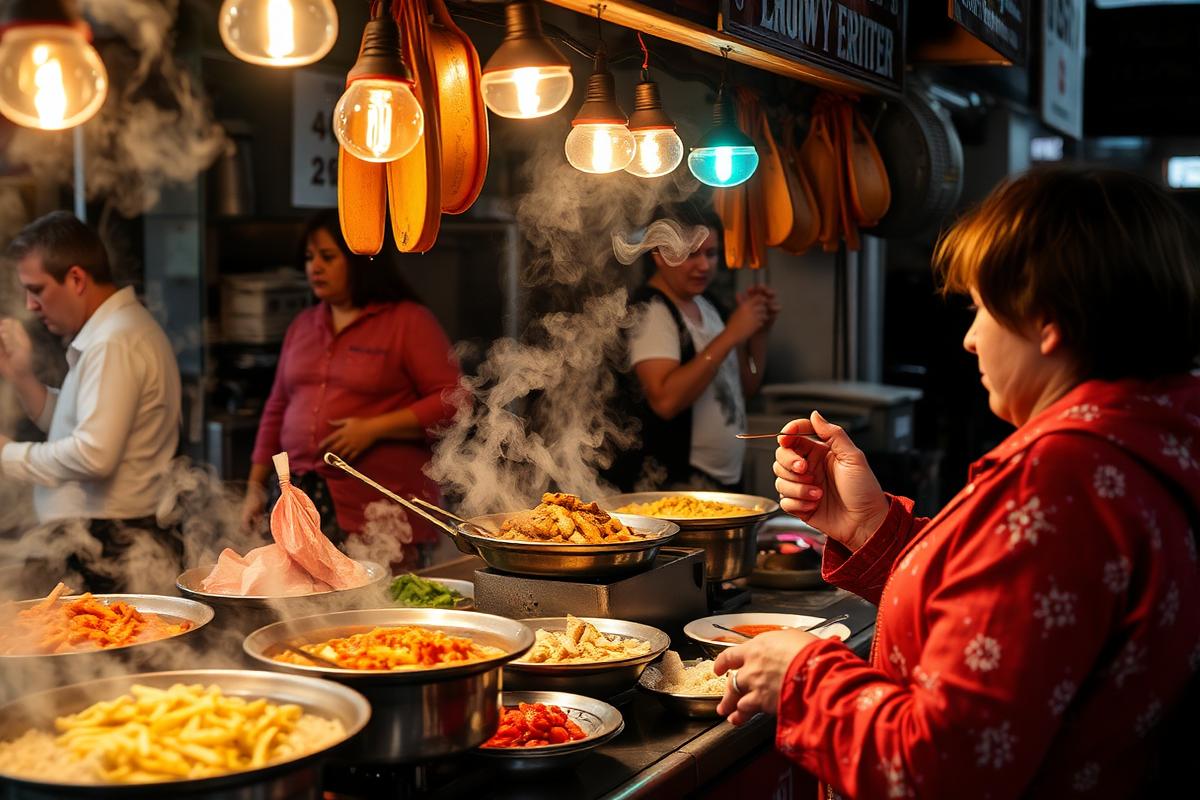

There is a particular kind of meal that stays with you forever. Not the one in the Michelin-starred restaurant with the beautiful presentation, though those have their place. The one that stays with you is the one you stumbled on — a steaming bowl of something fragrant in a market stall in a language you could not read, or a plate of grilled fish pulled from the sea that morning, eaten on a plastic chair at the water's edge, or a loaf of bread still warm from the oven of a bakery so small it had no signage. These meals are available to any traveller in any destination. But finding them requires knowing where to look.
Eating like a local is both a culinary strategy and a philosophical orientation toward travel. It means prioritising the authentic over the convenient, the neighbourhood restaurant over the tourist strip, the humble over the photogenic. It means being willing to point at things you cannot identify, to eat on plastic stools, to follow your nose down an alley. And it rewards that willingness with an intimacy with a place that no amount of sightseeing can provide. Here is exactly how to do it.
Ditch the Hotel Restaurant for the First Meal
Your first meal in a new destination sets the tone for your whole food experience there. Make it count by venturing immediately into the neighbourhood rather than defaulting to the hotel restaurant or the nearest English-menu establishment. Even if you are exhausted from travel and it is nine PM, a twenty-minute walk to find what locals are actually eating will reorient your palate and your expectations in a way that benefits every meal that follows.
Walk in the direction of density — toward sounds of cooking, toward groups of people sitting at outdoor tables, toward the smell of smoke and spice. Pay attention to the clientele: restaurants full of people who look like they live there are almost always a better sign than restaurants full of people who look like they arrived this week. If every menu is in English and there are photos of the food laminated to the table, you have drifted into tourist territory. Keep walking.
Research Before You Arrive (But Not in the Way You Think)
The most useful pre-trip food research does not happen on TripAdvisor. It happens in food blogs written by people who live in or obsessively love your destination, in YouTube channels dedicated to street food in specific countries, in Instagram accounts run by local food journalists, and in the communities on Reddit focused on specific regional cuisines. These sources are slower to find but reliably closer to the ground truth of what and where to eat.
- Search "best [city] food" on YouTube — the Eater channel, Mikey Chen, and countless independent creators have documented specific dishes and vendors in extraordinary detail.
- Reddit's r/food and city-specific subreddits (r/Bangkok, r/Mexico, r/Tokyo, etc.) have detailed, honest recommendations from people who actually live there.
- Search Instagram for the name of the city in the local language alongside local food hashtags — you will find accounts documenting food the tourist economy has not yet discovered.
- Look for local food guides written by newspapers or lifestyle magazines in the destination city. The New York Times has city guides, as do most major international newspapers for their home cities.
- Ask your accommodation host — not what restaurant to go to, but what they personally ate for lunch yesterday. That answer is worth more than any list.
The Market Rule
In almost every city in the world, the central food market — whether it is an indoor covered market, a weekly farmers market, or a daily street market — is the single richest source of both local food and cultural understanding. Markets show you what people actually eat, what is in season, what is celebrated, what is everyday. They are also, very reliably, places where you can eat extremely well for very little money.
Make visiting the main food market a non-negotiable early item on your itinerary — ideally on your first full day. Arrive in the morning when energy is highest and produce is freshest. Do not rush to eat — walk the whole market first, observe what is being sold and bought, note the stalls with the longest queues, smell everything. Then return to the stalls that caught your attention and eat without a plan, ordering whatever looks most alive.
Learn the Meal Structure Before You Arrive
Every food culture has its own meal structure — the rhythms of what is eaten, when, in what sequence, and in what context — and understanding this structure is one of the most useful things you can do before arriving anywhere. In Spain, lunch is the main meal of the day, eaten at 2–3 PM, and dinner is often not served until 9 PM or later. In Mexico, comidas corridas (three-course set lunches) offer the best value and quality at midday, with street food filling the evening hours. In Japan, ramen and soba shops are typically lunch destinations, while izakayas are the evening social venue.
Aligning your eating schedule with local norms means you eat when everything is freshest, when the most options are available, and when you are surrounded by the people the food was designed for. Showing up at a Spanish lunch restaurant at noon, or a Japanese izakaya at 5 PM, means eating out of rhythm with everyone else — and usually getting a worse experience as a result.
The Pointing and Smiling Method
Language is not a barrier to eating well if you approach it with the right attitude. The pointing and smiling method — gesturing at what someone else is eating, looking at the cook with a questioning expression, and accepting whatever arrives with genuine gratitude — has produced some of the greatest meals of many travellers' lives. It communicates openness and trust, which cooks and vendors invariably respond to with their best efforts.
Learning five food-related phrases in the local language dramatically improves the experience: "What do you recommend?", "That looks delicious", "I will have one of those", "No meat, please" (if relevant), and "Thank you, this is wonderful." Pronunciation does not have to be perfect. The effort is the message.
Street Food: Where to Look and What to Watch For
Street food is one of the great joys of travel and one of the areas where the gap between tourist and local experience is widest. Tourist-oriented street food tends to cluster around major sights and night markets explicitly labelled for visitors, where prices are inflated and quality is managed for a transient customer base. Local street food is found deeper in residential neighbourhoods, near transit hubs, outside schools and offices, and along the routes that working people actually travel.
- High turnover is the most reliable quality signal for street food: a vendor with a constant, steady queue has no incentive to lower standards.
- Watch for vendors who serve to the same customers day after day — regulars are the harshest judges and the best endorsers.
- Eat at peak hours for the dish: breakfast dishes at breakfast time, lunch dishes at lunch time. A pad thai vendor who starts at 6 AM is making noodles for morning commuters, not tourists — go then.
- Trust the setup: a vendor with organised mise-en-place, clean equipment, and a methodical cooking style is almost always producing better food than a chaotic, improvised setup.
Take a Cooking Class (But Choose Wisely)
A cooking class in your destination is one of the richest single investments you can make as a food-focused traveller: you learn techniques, you understand the rationale behind dishes, you meet locals who love food, you get to eat what you make, and you take the knowledge home with you. But not all cooking classes are equal.
Seek out classes run by home cooks, local chefs, or community organisations rather than large tourist-oriented school operations. Classes that start at a market visit — where you choose ingredients together with your teacher — are almost always richer than those that begin with pre-measured bowls of ingredients laid out on workstations. Airbnb Experiences and Eatwith are good places to find small-group, host-home cooking experiences that feel genuinely personal rather than formatted.
Eating Alone: Turning Solitude Into Connection
Solo dining is one of the underrated pleasures of food travel. Without a companion to talk to, you notice more: the sounds of the kitchen, the rhythm of service, the flavours in the bowl in front of you, the conversations happening at nearby tables. You are also more accessible to other diners and to the staff, who are more likely to chat and share when you are not engaged with someone else.
Sit at the bar or counter whenever possible when eating alone — this is where the relationship between kitchen and customer is closest, and where spontaneous conversations with chefs and other solo diners happen most naturally. Counter dining is the norm in Japanese dining culture and increasingly common worldwide, and it produces some of the most memorable food experiences of any trip.
Bring the Food Home
One of the most meaningful ways to extend a food travel experience is to bring specific ingredients or products home — things that tell the culinary story of where you have been. A jar of preserved lemons from Morocco, a bag of a specific local dried chile from Mexico, an unusual spice blend from a market in Istanbul, a bottle of an obscure regional olive oil from a small Spanish producer. These items extend the sensory memory of travel long after you have returned home.
Eating like a local requires curiosity, humility, and a willingness to follow your senses into unfamiliar territory. But the reward — meals that feel genuinely alive, that connect you to the people and land and culture of a place — is one of the most irreplaceable experiences that travel offers. Go hungry, stay curious, and eat everything.