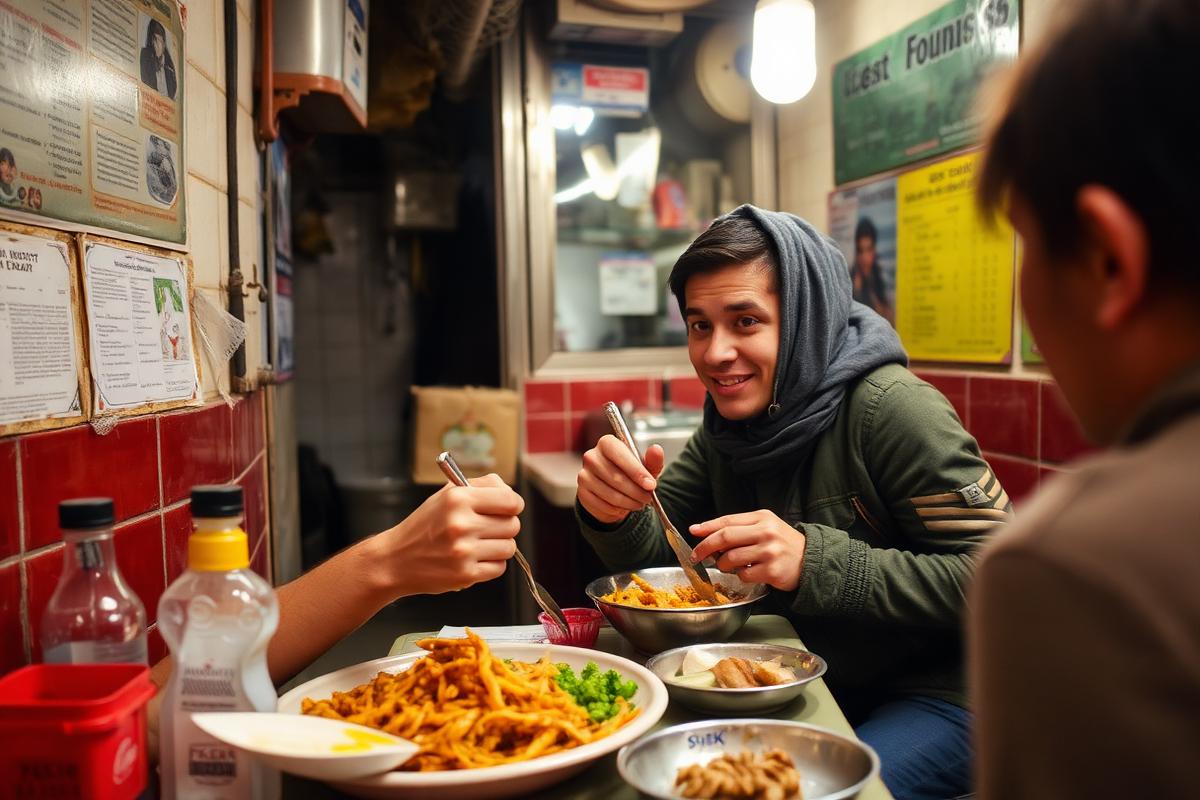

Food is the most personal part of travel. It connects you to the culture, the seasons, the people, and the history of a place in a way that no museum or monument can. A bowl of pho in a Hanoi alley at 7 a.m. is a more powerful cultural experience than the most famous landmark in the city — and it costs about a dollar. Yet food is also where travelers consistently overspend, often without realizing it until they check their account statement at home.
The trap is the tourist restaurant — the one with the menu in six languages, the laminated photos, and the server who hails you from twenty feet away. These places exist to capture travelers who have not yet figured out where the locals eat, and they charge two to four times the price for food that is rarely the best in town. This guide is about escaping that trap entirely and eating the food that the city is actually proud of, at the prices the city charges its own residents.
The Golden Rule: Walk Away From the Main Square
The single most effective strategy for cheaper, better food while traveling is physically walking away from the tourist center. In virtually every city in the world, the restaurants within two or three blocks of the main tourist attraction charge a premium — sometimes double or triple the price of identical food four blocks further into a residential neighborhood. The walk rarely takes more than ten minutes, and the reward is consistently worth it.
A simple test: look at who is eating at a restaurant. If the clientele is entirely tourists — identifiable by the camera straps, the sunburn, and the scanning-of-phones-for-translations — keep walking. When you see a table of locals arguing cheerfully over the last of the bread, you have found the right place.
Market Halls and Street Food
Covered market halls are one of the best-kept secrets of budget food travel. La Boqueria in Barcelona, Mercado de San Miguel in Madrid, and St. George's Market in Belfast are famous examples, but every major city has its version. These markets typically offer prepared food from dozens of small vendors — fresh fish, local cheeses, regional pastries, grilled meats, seasonal vegetables — at prices set by local competition rather than tourist demand.
Street food is even cheaper and frequently even more authentic. Thailand's pad thai vendors, Mexico City's taco stands, Istanbul's simit sellers, India's chaat stalls — the street food of a culture is often its most refined and historically rooted cuisine, developed over generations without the overhead of restaurant dining. Follow crowds of local workers at lunchtime to find the best vendors.
The Lunch Trick: Same Restaurant, Half the Price
In most countries, restaurants offer a lunch special — called the 'menu del dia' in Spain, 'prix fixe' in France, 'set lunch' in Southeast Asia — that includes a starter, main, and sometimes a drink or dessert for a flat price that is dramatically lower than ordering a la carte at dinner. In Spain, a three-course lunch with wine at a quality restaurant costs €12–15; the same restaurant's dinner menu might cost €35 or more per person.
Making lunch your main meal and dinner a lighter, cheaper affair is one of the most powerful food budget strategies available, and it has the added benefit of matching local eating customs in many countries where a large midday meal is culturally normal.
Grocery Stores as a Travel Tool
If you have a kitchen at your accommodation, grocery shopping opens up the entire local food culture at wholesale prices. But even without a kitchen, grocery stores are valuable: they sell pre-made sandwiches, salads, cheese and charcuterie boards, fruit, yogurt, bread, and pastries at a fraction of cafe prices. A supermarket picnic in a beautiful park is often the best-value meal of a trip and a genuinely lovely way to spend an afternoon.
- Buy breakfast items at a grocery store and eat in your room or accommodation — this alone saves $10-20 per day
- Pack lunch from grocery store items for full-day sightseeing to avoid tourist-area lunch traps
- Local wine and beer from a supermarket costs a quarter of restaurant price — enjoy a glass in your apartment before dinner
- Visit the grocery store's prepared foods section near closing time for significant discounts on unsold items
Using Google Maps to Find Local Restaurants
Google Maps is arguably the most underused food research tool for travelers. Search for a restaurant category in a residential neighborhood rather than the tourist center, filter by rating (4.0+ is usually reliable), and read the most recent reviews. Crucially: look at the photo contributors. If the photos are posted by accounts that appear to be local (names in the local language, profile photos showing local people), the restaurant is genuinely local. If all the photos are from tourists and travel bloggers, it has been 'discovered' and the experience will be priced accordingly.
Water, Coffee, and the Drink Budget
Drinks are one of the stealthiest travel budget killers. A bottled water at a tourist-area restaurant can cost $3–5. Two coffees and a juice at breakfast might add $12 to a meal that should have cost $8. A glass of wine with dinner at a touristy restaurant might be $10 when a whole bottle from a local store costs $6. Over a two-week trip, drink costs at restaurants can easily add $100–200 that was never in your budget.
A filtered water bottle eliminates the bottled water purchase entirely (see the gear guide for recommendations). Learning how to order the local house wine or draft beer — almost always the cheapest and often the best drink on the menu — saves money while feeling authentically local. And in countries where tap water is safe to drink, the restaurant tap water is free.
The Coffee Culture Strategy
In Italy, standing at the bar and drinking your espresso in 90 seconds is not just cheaper than sitting at a table — it is the authentic way to have coffee, and the price reflects it. A standing espresso at a Roman bar costs $1.30; a seated cappuccino at a terrace table might cost $4. This pattern — standing at the bar, ordering at the counter, avoiding terrace service charges — applies across most of Europe and saves meaningfully over a trip.
Respecting the 'Cover Charge' and Service Culture
Many countries have dining customs that travelers misinterpret as overcharging. Italy's 'coperto' (cover charge, usually €1–3 per person) is a standard and legitimate charge for the bread and table setting. France does not have a tipping culture but restaurant prices already include service charge. In the U.S., tipping 18–20% is a genuine social expectation, not optional. Japan has no tipping culture at all — leaving a tip is actually considered rude.
Understanding these customs prevents unpleasant surprises and ensures you are eating in a way that respects local norms. Nothing will make you feel like a smarter traveler than knowing exactly what your bill should look like before it arrives.
Food Apps Worth Downloading
- TheFork (Europe): restaurant booking app with frequent 50% discount promotions at quality restaurants
- HappyCow: vegetarian and vegan restaurant finder, excellent for plant-based travelers
- Yelp and Google Maps: reliable for local restaurant discovery with honest user reviews
- Too Good To Go: app for buying surplus food from restaurants and bakeries at deep discounts (great for breakfast)
- Deliveroo/Uber Eats: promo codes for new users often give 30-50% off first orders — useful for arrival nights
Eating well on a travel budget is never about deprivation — it is about direction. Point yourself toward where the locals eat, choose lunch over dinner for your splurge meals, embrace markets and street food as primary sources of great eating, and watch your food budget stretch without ever feeling like you are missing out. In fact, the best food experiences on any trip almost always happen at the cheapest, most unassuming places. That is not a coincidence.