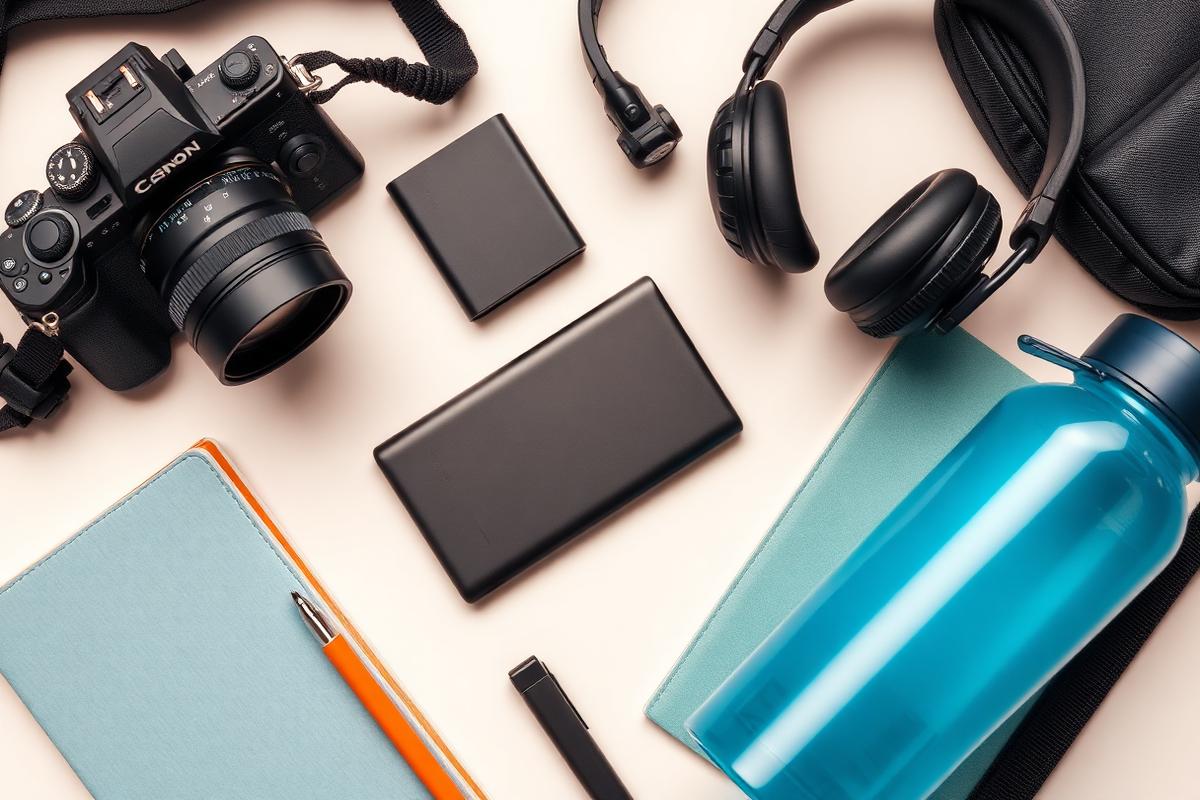

Good travel gear is an investment that pays dividends on every single trip you take. The right water bottle keeps you hydrated without the plastic guilt. The right neck pillow means you actually sleep on the overnight flight. The right packing organizer means you never dig desperately through a tornado of clothing at 6 a.m. while your travel partner sleeps. The wrong gear, meanwhile, ends up wedged under a hostel bed by day three, never to be seen again.
This is not a list of everything you could possibly buy — it is a curated list of fifteen items that experienced travelers consistently reach for on every trip, regardless of destination or duration. Some are affordable everyday finds; others are splurges that justify their price tags ten times over. All of them have been road-tested across real trips.
1. Compression Packing Cubes
Packing cubes transformed the way the world travels, and compression packing cubes took that transformation further. Standard cubes organize your gear; compression cubes also squeeze out trapped air and reduce clothing volume by 30 to 60 percent depending on fabric type. Eagle Creek's Pack-It Compressible cubes and Tortuga's travel cubes are consistently top-rated, offering durable zippers and thoughtful sizing.
Buy a set of three — large, medium, and small — rather than mismatched singles. The matching sizes stack perfectly in most carry-ons and checked bags, wasting zero space. Color-coded sets make it instantly clear which cube holds what, a small luxury that feels huge at 5 a.m. when you are repacking after a red-eye.
2. A Packable Down or Synthetic Jacket
A jacket that compresses to the size of a water bottle and weighs under 400 grams is a packing miracle. Patagonia's Down Sweater, Uniqlo's Ultra Light Down (a fraction of the price), and Arc'teryx's Cerium are the most beloved options. Synthetic fill (like PrimaLoft) is preferable for rainy destinations because it retains warmth even when wet — something down cannot do.
The packable jacket earns its place in your bag on almost every trip: airplanes are over-air-conditioned, mountain restaurants are drafty, and coastal mornings are always cooler than afternoon Instagram photos suggest. Stuffed into its own pocket, it takes up almost no space and solves a thousand small comfort problems.
3. A Universal Travel Adapter with USB Ports
Carry one good universal adapter and leave every destination-specific plug at home. The best travel adapters have at least two USB-A ports and one USB-C port built in alongside the plug socket, meaning you can charge your phone, earbuds, and power bank simultaneously without hunting for additional outlets. EPICKA and Ceptics both make compact, highly rated universal adapters for under $20.
4. A Slim RFID-Blocking Wallet
A bulging back-pocket wallet is both a pickpocketing target and an ergonomic nuisance. A slim front-pocket card wallet with RFID blocking (to protect contactless credit card data) is more secure and far more comfortable. Bellroy's Slim Sleeve and Dango's D01 are perennial favorites for good reason: they are slim enough to forget you are wearing them and tough enough to survive years of daily use.
When traveling, carry only what you need: one debit card, one credit card, your driving license or ID copy, and local currency. Leave your full wallet — loyalty cards, receipts, gym membership — at home or locked in your accommodation safe.
5. A Reusable Filtered Water Bottle
Single-use plastic bottles are expensive, wasteful, and often unnecessary even in destinations with questionable tap water. A filtered water bottle — the LifeStraw Go, Grayl GeoPress, or Brita Filtering Bottle — lets you fill up from almost any source and drink confidently. The Grayl GeoPress is particularly impressive: it filters bacteria, viruses, and particulates in eight seconds with a single press.
Beyond the environmental benefit, filtered bottles save serious money. In a city where bottled water costs $2-3, a filtered bottle pays for itself within a week. At airports (which are expensive everywhere), simply empty your bottle at security and refill from any water fountain.
6. Noise-Canceling Earbuds or Headphones
Active noise cancellation is not a luxury — it is a sanity-preservation tool. A crying baby three rows ahead, a snoring seatmate, a hostel common room at 1 a.m.: noise-canceling headphones turn all of these from major stressors into mild background hums. Sony's WH-1000XM5 headphones offer class-leading ANC in a foldable form factor. For a more compact option, Apple AirPods Pro and Sony WF-1000XM5 earbuds deliver impressive noise cancellation in a truly pocket-sized package.
7. A Lightweight Daypack
Your main travel bag stays at the hotel; your daypack comes everywhere else. The ideal daypack is lightweight (under 400g / 14 oz), packable (stuffs into its own pocket), has a water bottle pocket, and looks low-profile enough not to scream 'tourist.' Osprey's Ultralight Stuff Pack, Matador's Freerain22, and Patagonia's Lightweight Travel Mini Hip Pack all earn consistent praise.
For city travel, a 15-22L daypack is perfect: big enough for a rain jacket, a water bottle, a camera, snacks, and a guidebook, but small enough to carry comfortably all day without back fatigue. Anti-slash fabric and hidden pockets are worth seeking out if you are traveling in busy urban environments.
8. A Neck Pillow That Actually Works
Traditional horseshoe neck pillows do one thing well: support the sides of your neck while you sleep sitting up. But they do not support your head from falling forward, which is how most people lose sleep on flights. The Trtl Pillow is a strange-looking but genuinely effective alternative: a scarf-like pillow with an internal support frame that props your head to the side, preventing the forward chin-drop that jerks you awake.
If you prefer traditional but want the best available, the Cabeau Evolution S3 has a magnetic closure and memory foam filling that is noticeably more supportive than cheap foam alternatives. Either way, invest in something other than the complimentary airline pillow — your neck will thank you when you land.
9. A Portable Door Alarm and Lock
A door alarm is a lightweight piece of mind for solo travelers and anyone staying in budget accommodation. The GE Personal Security Door Alarm costs under $15 and emits a 120-decibel alarm when a door is opened. A portable door lock (like the Addalock or Door Monkey) physically prevents a door from being opened from the outside — more effective than any chain or bolt for a light sleeper who wants extra security.
10. Microfiber Quick-Dry Towel
Many budget accommodations and hostels do not include towels, and even when they do, a personal microfiber towel is smaller, faster-drying, and more hygienic. Rainleaf and Dock & Bay both make excellent options: a large (130 x 80 cm) microfiber travel towel weighs around 200g and packs to the size of a paperback book. It dries you in seconds and then dries itself in minutes when hung in a warm room.
11. Merino Wool Base Layers
We mentioned merino in the packing guide, but it bears repeating: merino wool base layers — a lightweight tee and a long-sleeve — are arguably the highest-value items in any travel wardrobe. They regulate body temperature across a wide range, resist odor so effectively that you can wear them multiple days in a row, and dry quickly after washing. Icebreaker, Smartwool, and Unbound Merino are the most-loved brands.
12. A Lightweight First Aid Kit
You do not need a full pharmacy in your bag, but a compact first aid kit with a few targeted items can save your trip. Include blister plasters (Compeed is the gold standard), ibuprofen or acetaminophen, antihistamine tablets, rehydration sachets, a broad-spectrum antibiotic (ask your doctor before travel), motion sickness tablets if relevant, and any personal prescription medications in their original packaging.
- Compeed blister plasters — prevents blisters from ruining walking days
- Imodium A-D — traveler's stomach is real and hits without warning
- Cetirizine antihistamine — handles unexpected allergic reactions and hay fever
- Oral rehydration salts — essential in hot climates when you have been sweating heavily
- Steri-Strip wound closure strips — for small cuts that need more than a bandage
13. A Portable Power Bank
A 10,000 mAh power bank (Anker's PowerCore Slim is the most popular choice) weighs about 200g and holds roughly 2.5 full charges for a modern smartphone. That is enough for a full day of navigation, photography, and communication without hunting for a power outlet. Always carry your power bank in your carry-on rather than checked luggage — airlines require lithium batteries to be in the cabin.
14. A Good Lock — or Two
TSA-approved combination locks (so security can open them without cutting) are essential for checked bags, and a small padlock is indispensable for hostel lockers. Pacsafe makes locks specifically designed for travel with braided steel cables for securing bags to fixed objects. The investment is minimal; the peace of mind is significant.
15. A Dedicated Travel App Suite
Gear is not only physical. A curated set of apps is among the most valuable travel tools you can carry: Google Maps with offline maps downloaded before you leave, Duolingo for last-minute language prep, XE Currency for real-time exchange rates, TripIt for organizing confirmations, Splitwise for group travel expenses, and iTranslate or Google Translate with downloaded offline language packs. These apps together replace a guidebook, a phrasebook, a currency converter, and a travel agent.
Great gear does not make a great trip on its own — but it removes friction, and when you are navigating an unfamiliar city in a foreign language on three hours of sleep, friction is the enemy. Invest thoughtfully in the items you will use on every journey, take care of them between trips, and they will serve you for years of adventures to come.